

News & Press Releases
[NST Club Activities] On-campus event "What does eating mean to cancer patients?" held!
2026.01.22
- notice
- Student Life
■ "What does 'eating' mean to cancer patients?" - Learning about medical care that puts patients at the center
On January 16th, the university's extracurricular activity group, the Nutrition Support Team (NST) Club, held an event on the theme of "What does 'eating' mean to cancer patients?" On the day, they invited cancer nursing specialist nurse Hirohisa Ohashi and registered dietitian Kiyoko Onishi from the Kobe Minimally Invasive Cancer Medical Center to give a lecture and discuss case studies.
■ Self-care support is at the heart of supporting eating
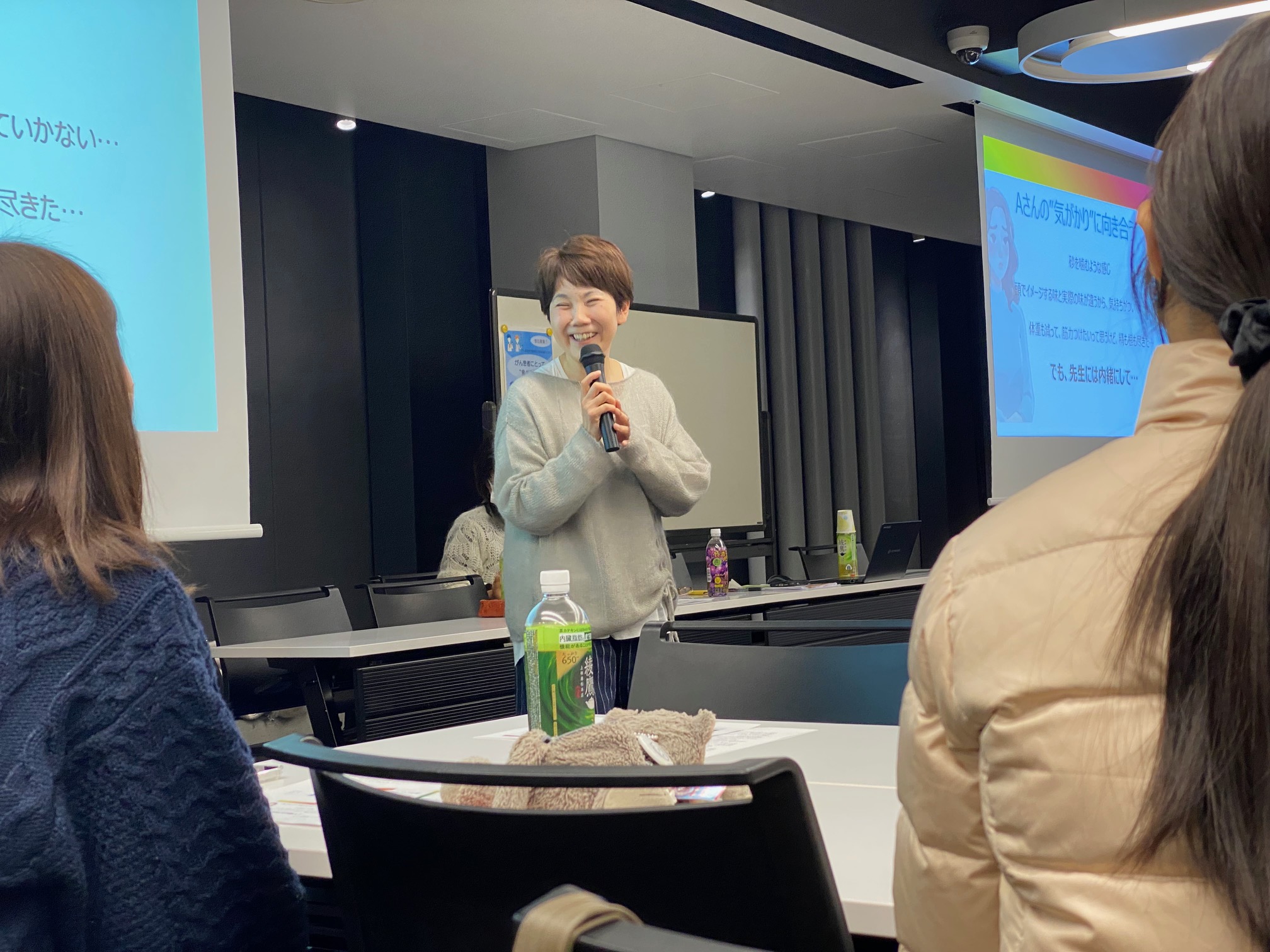
In the first half of the event, Ohashi spoke about "self-care support," a central concept in dietary care for cancer patients. Rather than forcing the right answer on patients, healthcare professionals should place importance on the patient being the main actor, and find a way forward through their interactions, even when they are close to losing hope. He emphasized the importance of gradually cultivating the patient's own "ability to recognize," "ability to take action," and "ability to persist" in the process, thereby drawing out their innate strengths.
In the lecture, based on his experience in actual clinical settings, he introduced how acknowledging, empathizing with, and thinking together with patients when they are unable to eat, rather than simply giving instructions, can lead to positive change in the patient.
The message that medical professionals being "supportive companions" leads to patients' confidence and trust in the medical team left a strong impression on the students.
Finally, Ohashi said, "If there are 10 people, there are 10 different meanings to 'eating.' Each professional has a different role, but if we share the common perspective of 'putting the patient at the center,' we can become the best team, transcending our professions." He conveyed to the students the true essence of team medicine and how to be a professional.


■ Understanding "your mental state toward eating" -- practical case studies
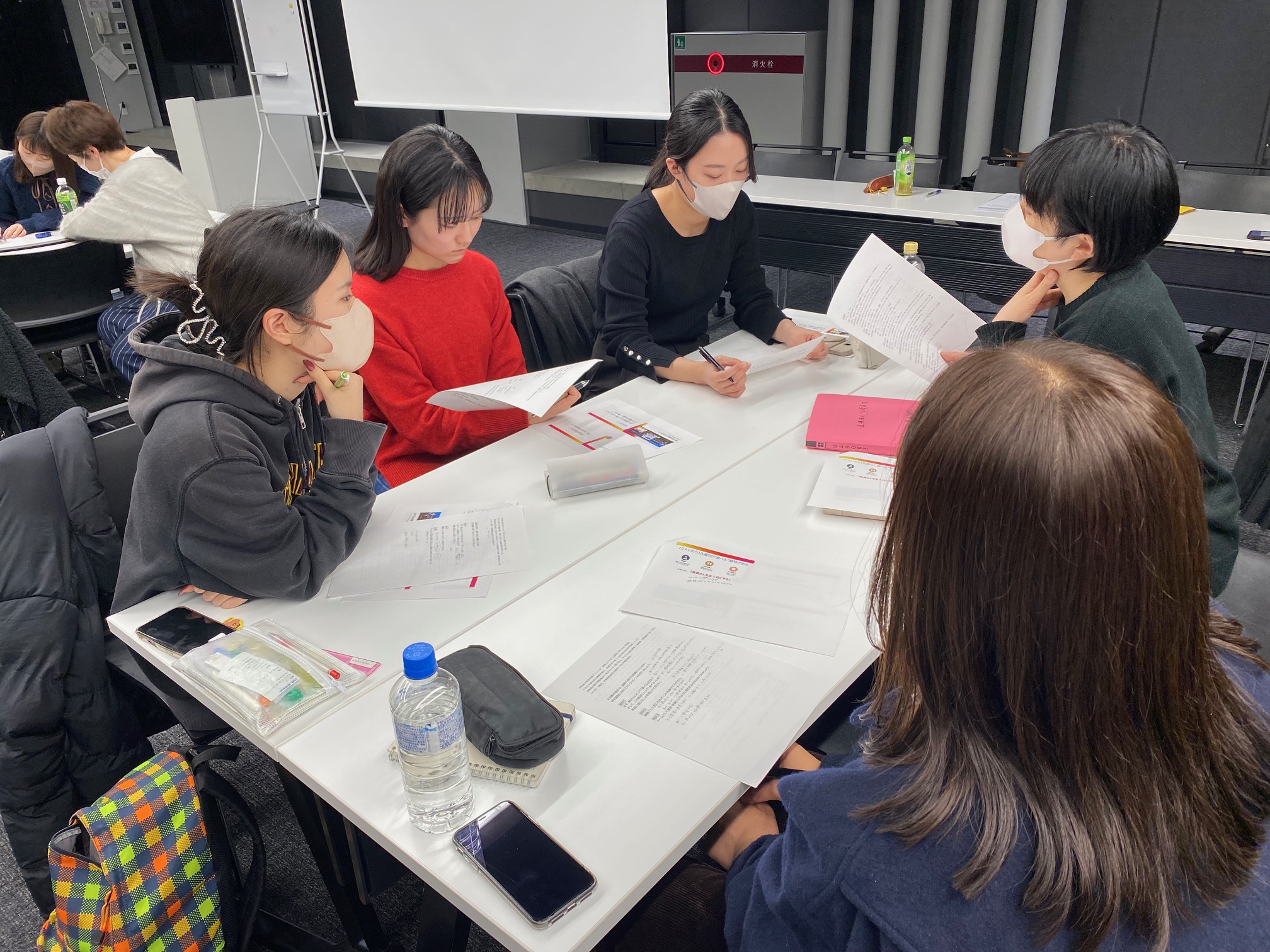
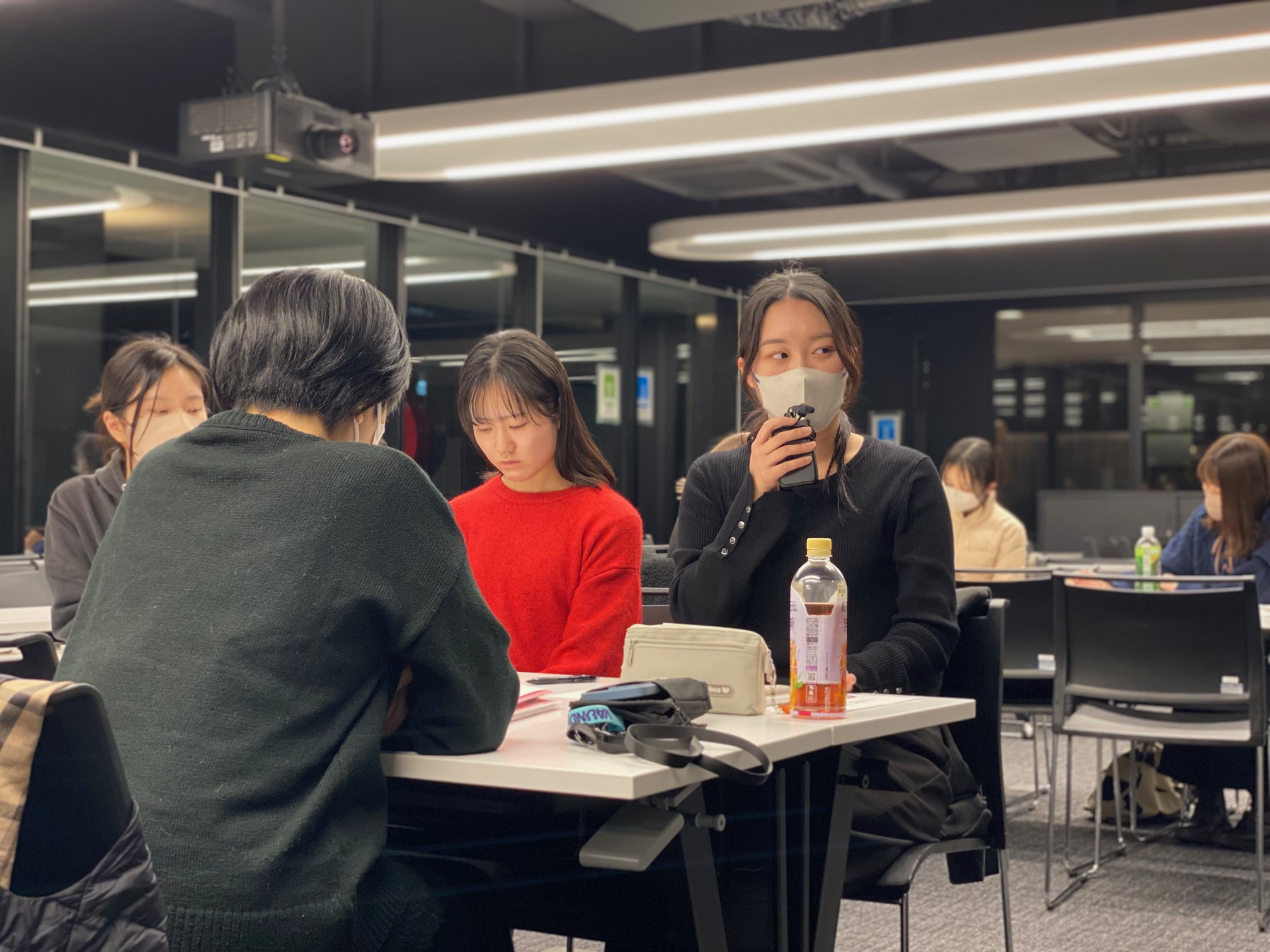
In the second half of the event, dietitian Onishi gave a case study based on the case of a cancer patient she had actually worked with. Student teams from three faculties and departments gave presentations after discussing topics such as "What does 'eating' mean to us?", "What does 'eating' mean to this patient?", and "How can we as a team interact with patients and their families?" Onishi's comments on the students' presentations included, "I was very impressed by the content, which is applicable even to attending an actual conference."
Onishi also mentioned that "eating can sometimes be a major source of stress for cancer patients." While many patients want to eat, many feel burdened by meals, and when medical professionals' desire to "want them to eat" is at the forefront, this can actually create distance. On the other hand, many patients say that being able to eat even a little helps them regain a sense of being alive. With the end of cancer treatment unclear, eating can be both a source of pain and hope, and he conveyed to the students the importance of understanding each patient's "emotional position regarding eating" and supporting them in a step-by-step manner without being judgmental.




■ Comments from participating students
Nishizawa Yukiteru, a third-year student Faculty of Health and Nutrition who served as the moderator for the event, reflected, "Through talks based on actual experiences, I realized that when dietitians and nurses interact with many patients, they tend to be biased toward the perspective of 'how to get them to eat,' but for each patient, illness is a huge event in their life, and it is also a series of unexpected events. This is why I strongly felt through this lecture that it is necessary to have an attitude that goes beyond just 'eating' and is supportive of the person's life as a whole."
■ Towards a profession that supports people through "eating"
This event provided students with a valuable opportunity to learn from a multidisciplinary perspective that "eating" is not simply about ingesting nutrients, but is deeply connected to lifestyle, dignity, and life itself. The NST Club will continue to engage in activities that foster a multifaceted understanding of the meaning of "eating" and a perspective that is considerate to each individual patient through practical learning and multidisciplinary collaboration.
(Source: Osaka Otemae Campus Student Affairs Division)