News & Press Releases
[Faculty of Health and Nutrition] Volunteer participation in an event for Type 1 Diabetes Patients' Association
2026.04.22
- notice
- Faculty of Health and Nutrition
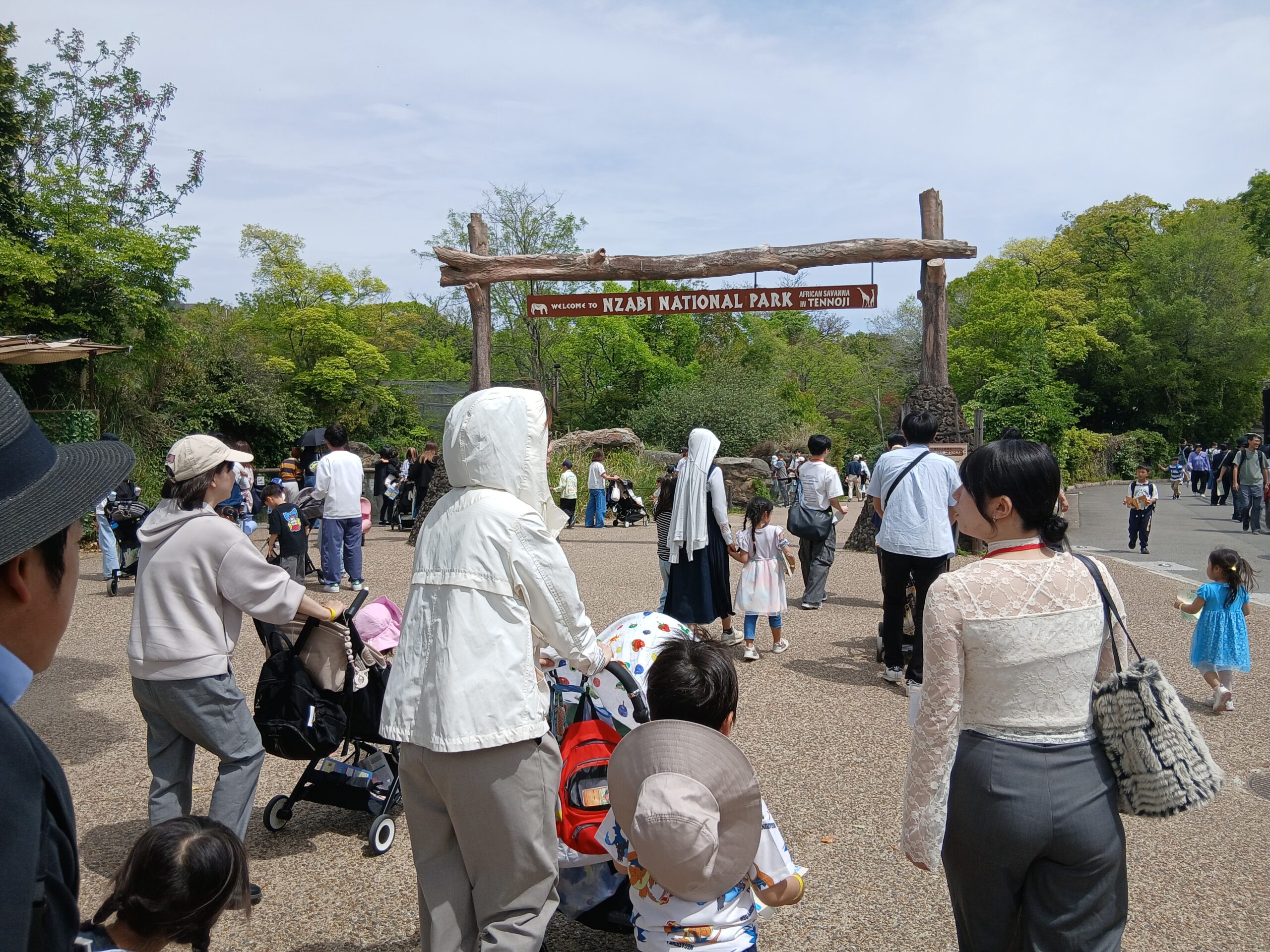
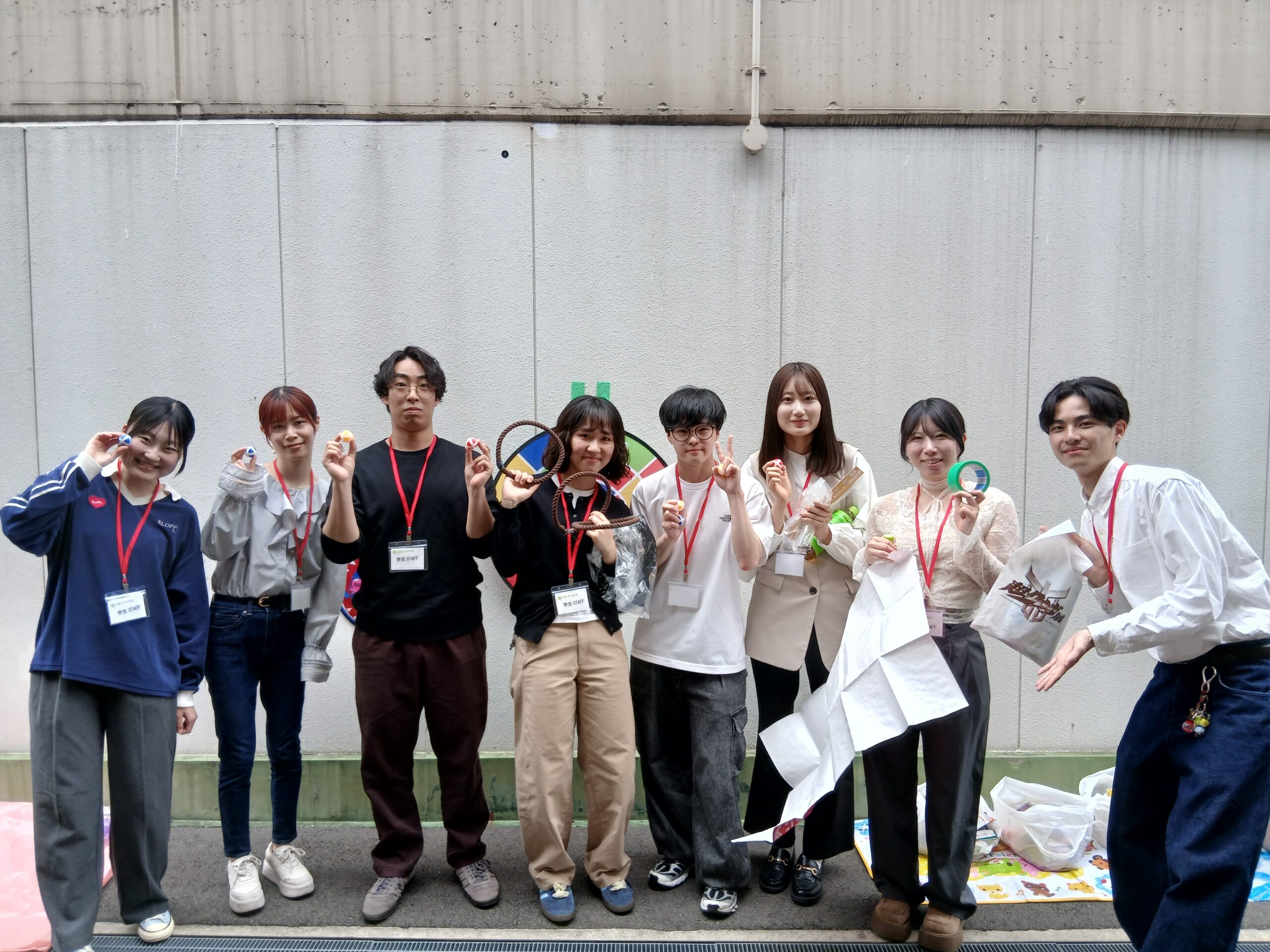
Associate Professor Shoko Komatsu of Faculty of Health and Nutrition, along with eight volunteers from the 4th and 3rd years of undergraduate studies, participated in an exchange event held at Tennoji Zoo on April 19th, organized by the Type 1 Diabetes Patients Association.
This event was for children and university students with type 1 diabetes and their families, and was also attended by diabetes specialists. The purpose of the event was to provide opportunities for patients and their families to interact with each other, and to discuss concerns and exchange opinions with healthcare professionals.
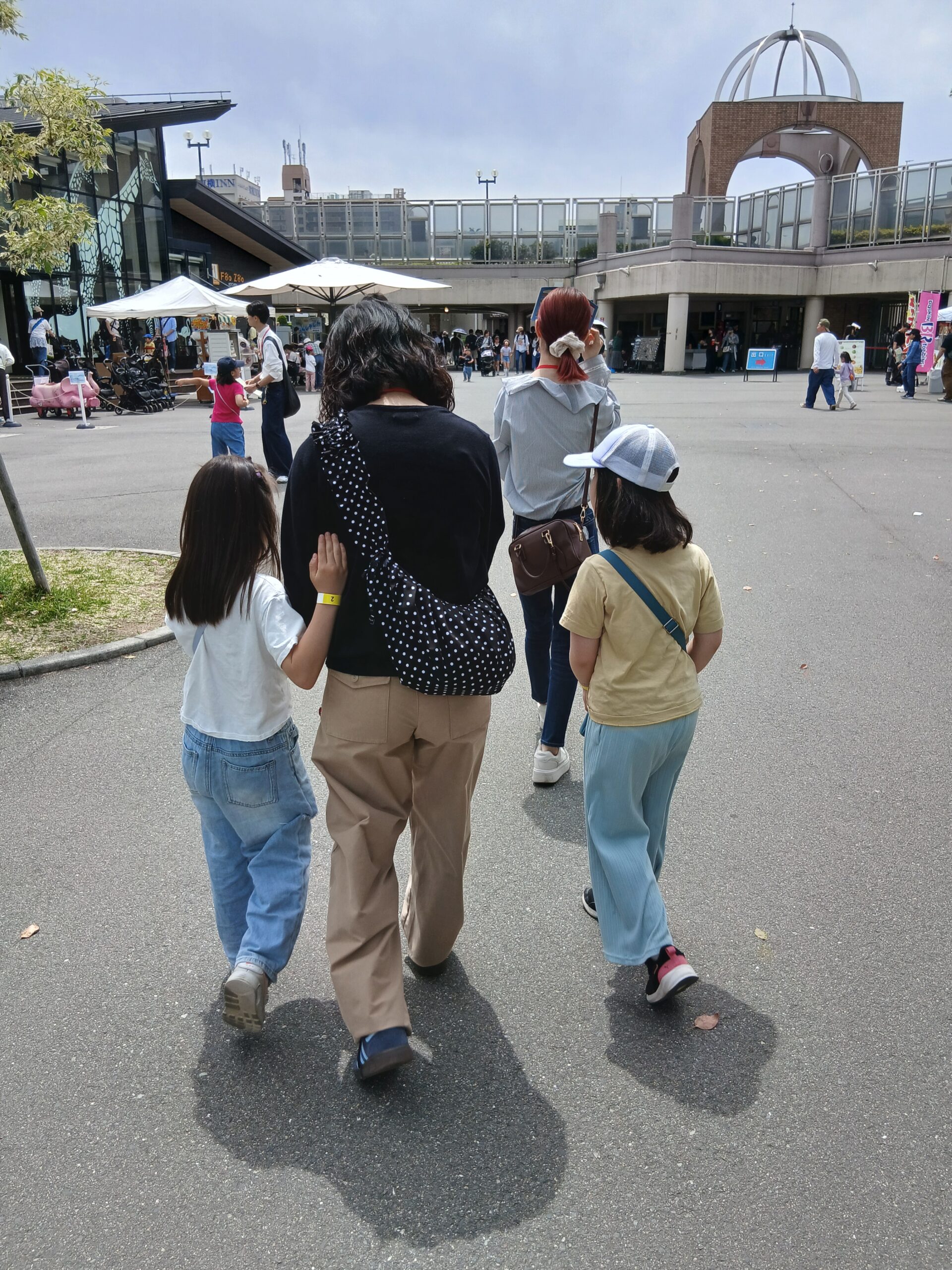
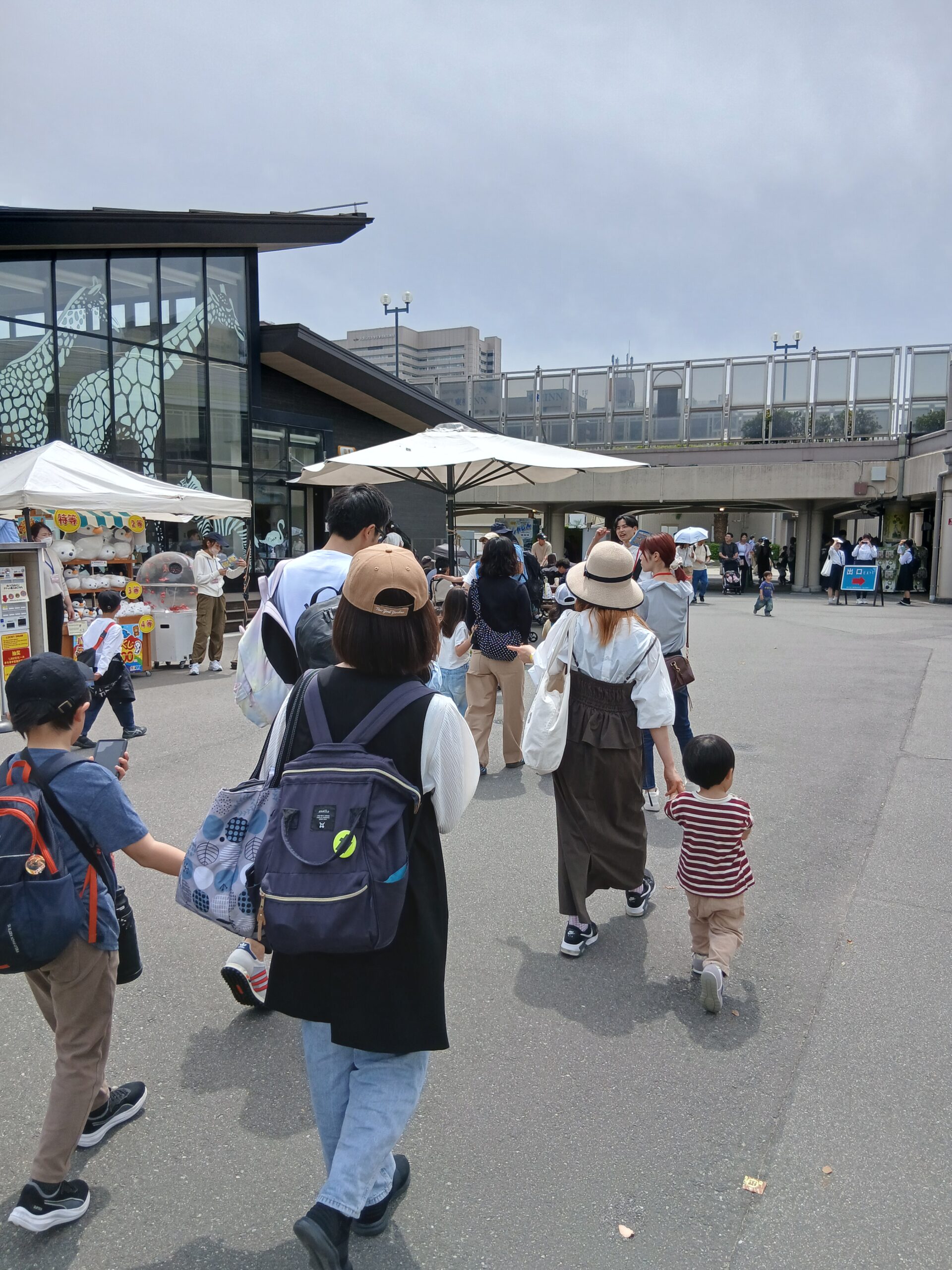
The students strolled around the facility with the patients' families and interacted with the children through play while a discussion was held between parents and medical professionals.
Furthermore, through situations such as self-monitoring blood glucose levels due to a tendency towards hypoglycemia, eating snacks, and administering insulin injections at lunchtime, I was able to learn about aspects of life during treatment.
Type 1 diabetes is an autoimmune disease in which pancreatic beta cells that secrete insulin, a hormone that lowers blood glucose levels, are destroyed. As Dr. Shimbumi Sakaguchi of Osaka University Professor Emeritus, who received the Nobel Prize in Physiology or Medicine for this disease, explained at a press conference, future research on regulatory T cells is expected to help control the onset of the disease and provide a cure.
Currently, in order to replace insulin secreted by the body in significantly reduced amounts, insulin preparations are injected using an insulin pump or self-injected using a pen syringe. It is also important for treatment to know the amount of carbohydrate intake that raises blood sugar levels in order to determine the amount of insulin preparation to administer.
(Source: Faculty of Health and Nutrition)