News & Press Releases
[Faculty of Architecture & Arts] Takagi Maito's seminar conducts fieldwork in Ieshima, Himeji City.
2026.06.08
- Faculty of Architecture & Arts
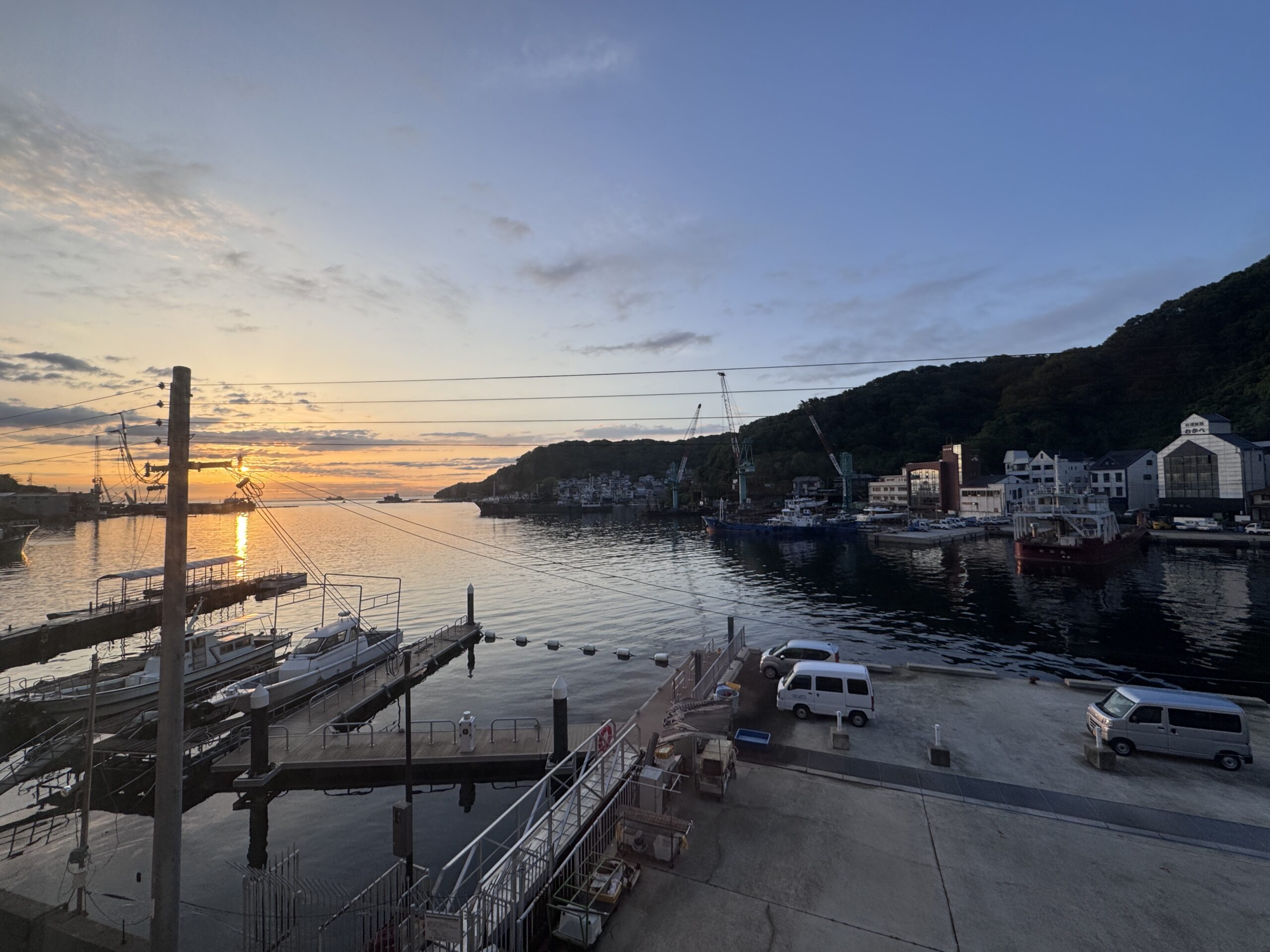
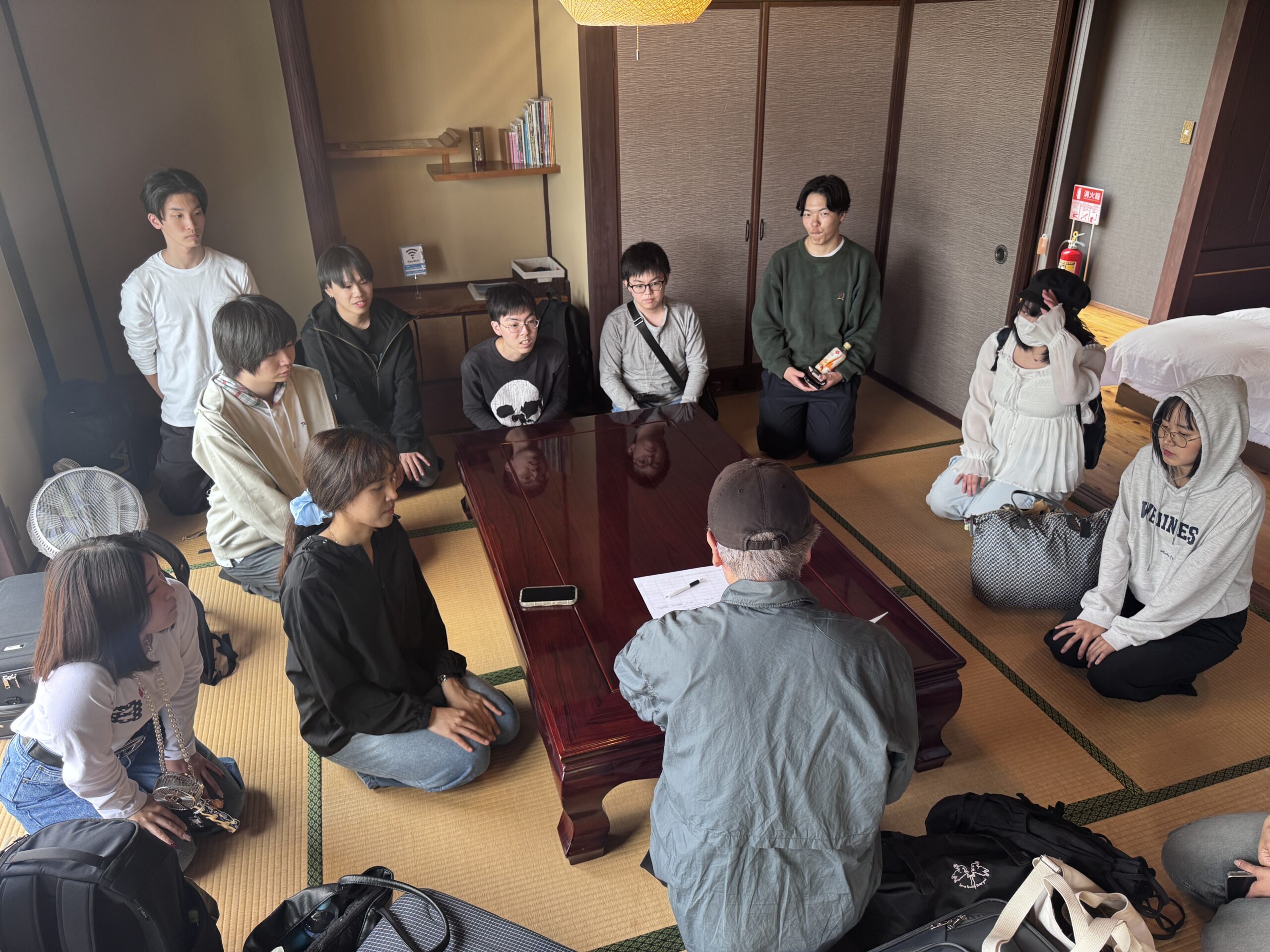
The Takagi Maito Seminar of Architecture Course Faculty of Architecture & Arts conducted an off-campus lecture in the Ieshima and Maura districts of Himeji City on May 23rd (Sat) and 24th (Sun), 2026. The purpose of this visit was to deepen understanding of the region's spatial characteristics and living environment by observing the current state of life, landscape, vacant lots and houses, and home gardens in a sloping settlement.
On the day of the event, with the cooperation of "Ieshima Concierges," local guides who connect Ieshima's lifestyle, tourism, and experiential programs, the students deepened their understanding of the island's history, lifestyle, and the characteristics of the townscape in the Maura district. By not only observing the region from the outside but also experiencing the perspectives of those who are active on the island, it became an opportunity for them to grasp the charms and challenges of Ieshima in a more concrete way.
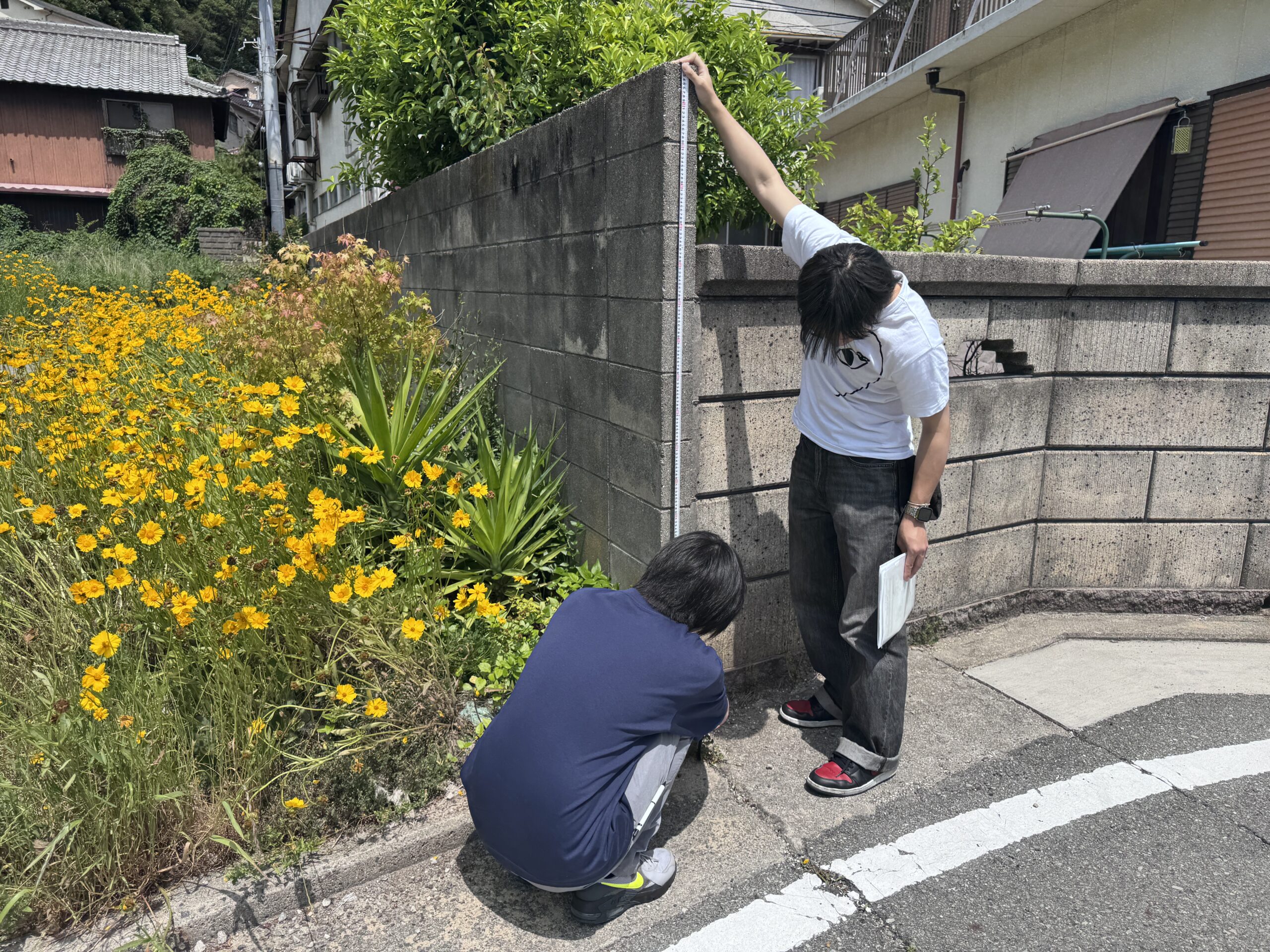
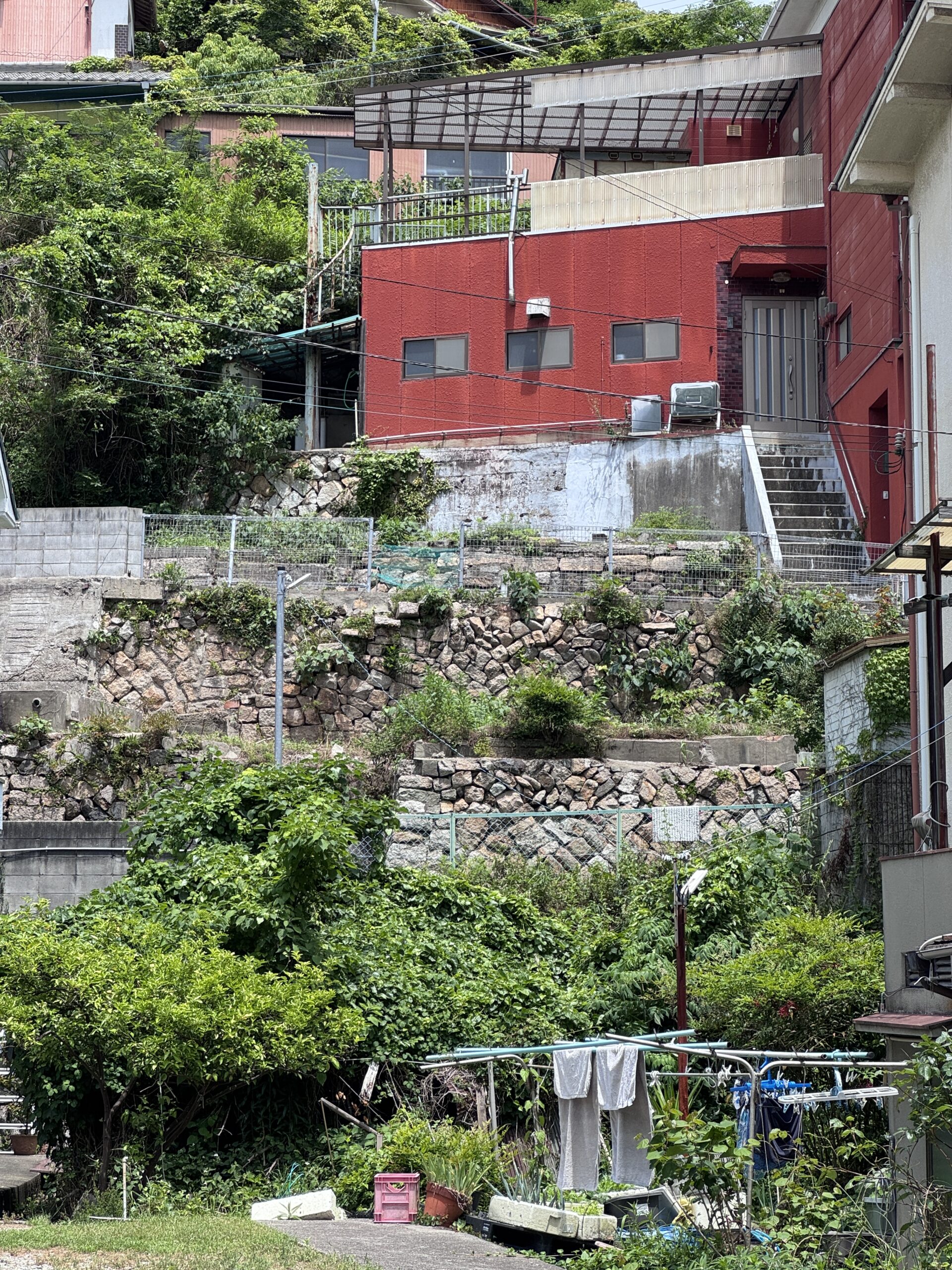
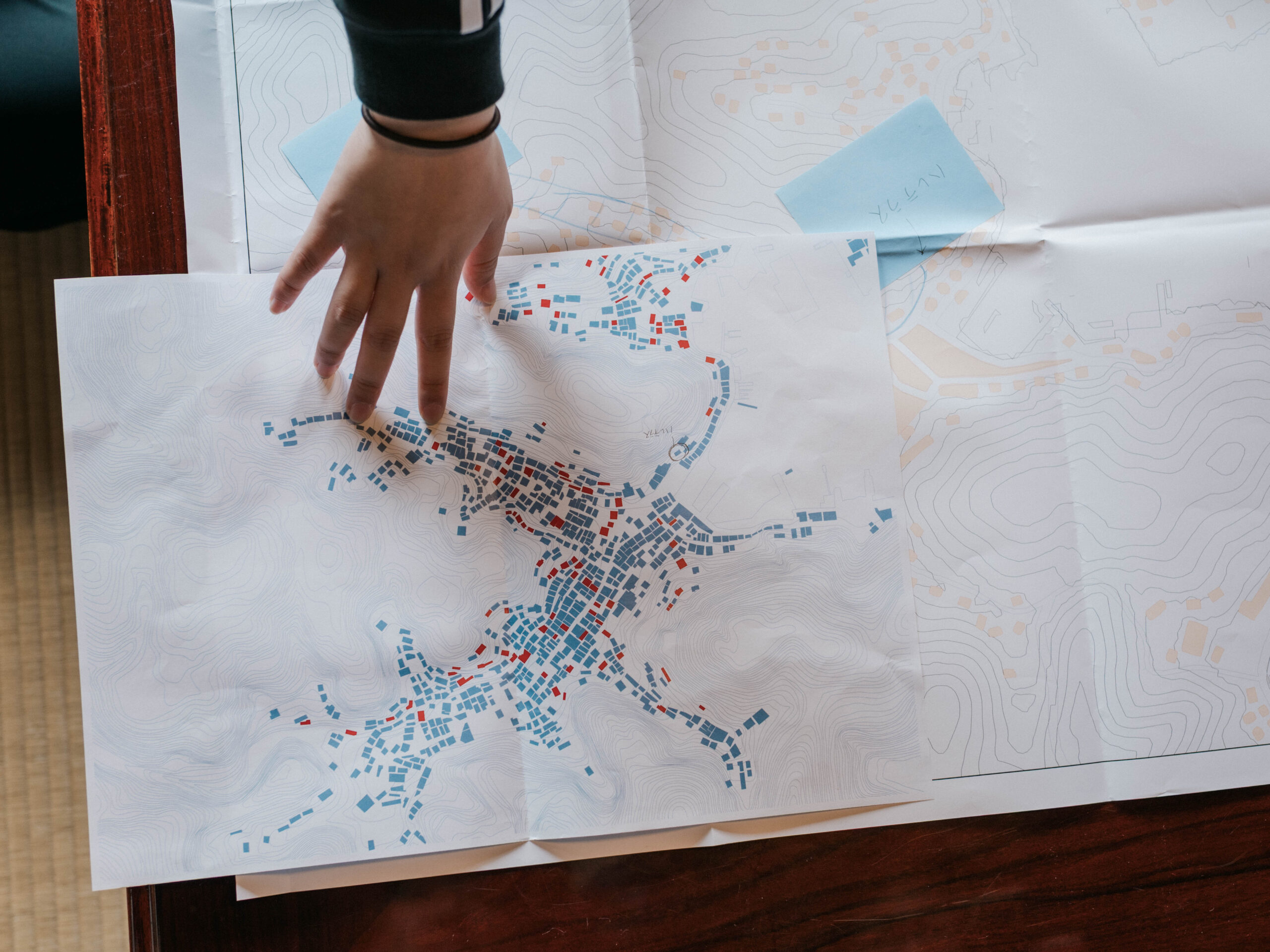
The 13 participating students walked around the district in groups, recording alleys, stairs, slopes, vacant lots, empty houses, vegetable gardens, planters, and other features using photographs, maps, sketches, and notes. In particular, they focused on the topographical conditions of the slopes found in the Maura district, the relationship between buildings and roads, the use of small spaces that have developed through daily life, and the potential of vacant lots and vegetable gardens as local resources, conducting observations and discussions.
Through this fieldwork, the students were able to experience firsthand the scale of the settlement space, the connection between topography and daily life, and the challenges of management and disaster prevention, which are difficult to grasp from drawings and documents alone. Moving forward, based on the observation records obtained on site, they will analyze familiar spatial resources such as vacant lots, empty houses, vegetable gardens, alleys, and stairs, and consider how small management units can support the lives, landscape, and disaster prevention of settlements on slopes.
What the students aim for in Ieshima is not large-scale development or unilateral proposals, but rather to re-examine the resources and ways of life that already exist in the region while staying close to the daily life of the island. Through initiatives such as utilizing home gardens and vacant lots, improving walking environments, preserving the landscape, and creating small spaces that are easy for locals and visitors to get involved in, they aim to propose ways to pass on the value of a lifestyle unique to Ieshima to the next generation.
<Source: School Public Relations>