News & Press Releases
[Faculty of Health and Nutrition] Volunteer participation in a 3-night, 4-day education camp for children with type 1 diabetes!
2026.08.04
- notice
- Faculty of Health and Nutrition
Associate Professor Komatsu from Faculty of Health and Nutrition, along with two fourth-year undergraduate students working on their graduation research and four graduates, participated as volunteers in a 3-night, 4-day (July 24-27) pediatric type 1 diabetes education camp, which also served as clinical training.
Type 1 diabetes is an autoimmune disease in which the pancreatic islet β cells, which produce insulin, a hormone that lowers blood sugar levels, are destroyed. Insulin therapy and dietary therapy (carbohydrate counting) are essential to regulate blood sugar levels within the appropriate range. Regulatory T cells (Treg), discovered by Professor Shimon Sakaguchi, who received the Nobel Prize in Physiology or Medicine, are involved in the onset of the disease.
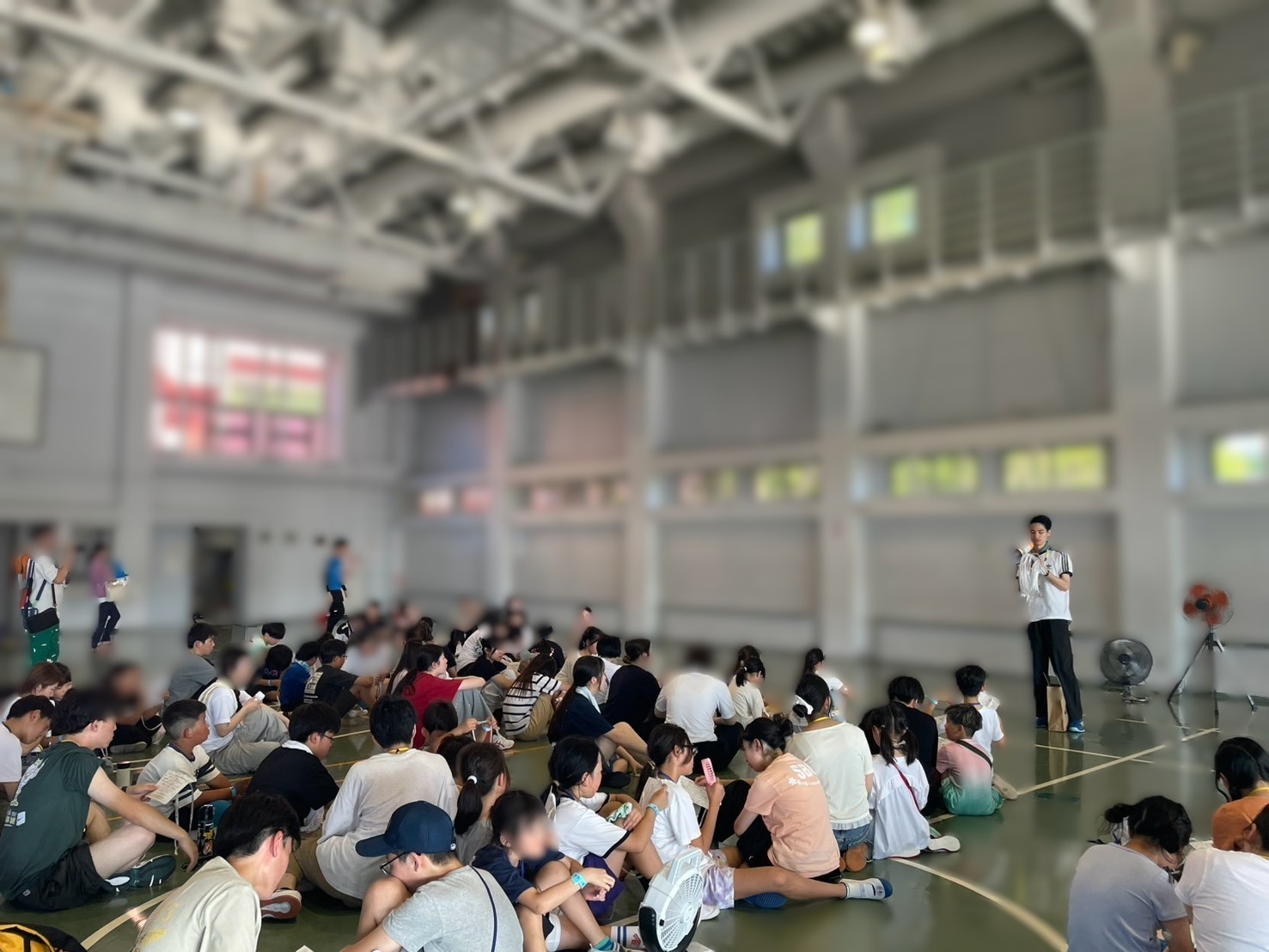
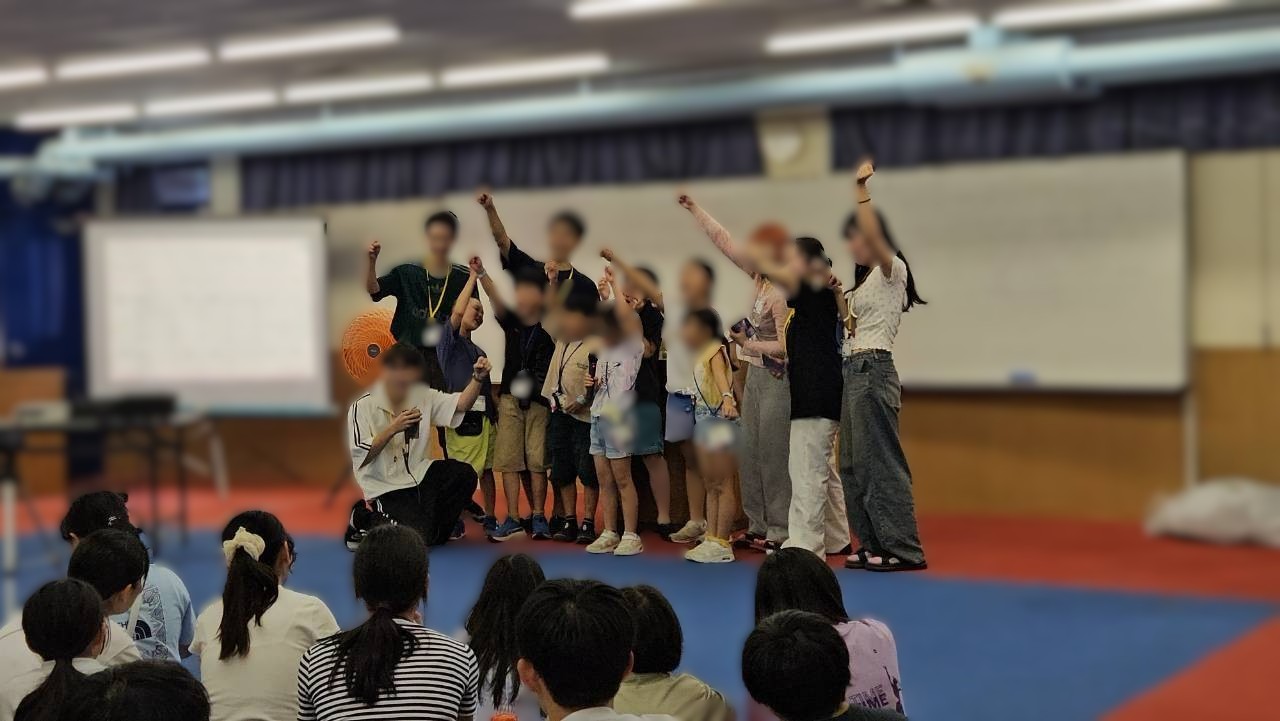
Approximately 40 children living with type 1 diabetes and their siblings participated in this camp. Around 100 people collaborated to run the event, including student volunteers, alumni with type 1 diabetes, parents, doctors, nurses, registered dietitians, and representatives from medical equipment manufacturers. They implemented various programs, such as workshops on how to live a better life with diabetes and fun activities.
Students and graduates of our university participate as operational staff every year. The students lived and ate with the children, playing an important role as leaders who provided educational support while maintaining a watchful perspective. Spending four days with the children allowed them to experience the practical aspects of real-time CGM (continuous glucose monitoring), insulin pump usage, carbohydrate counting, hypoglycemia on days with high levels of exercise, how to take supplemental foods to recover from hypoglycemia, and how to correct hyperglycemia (additional insulin).
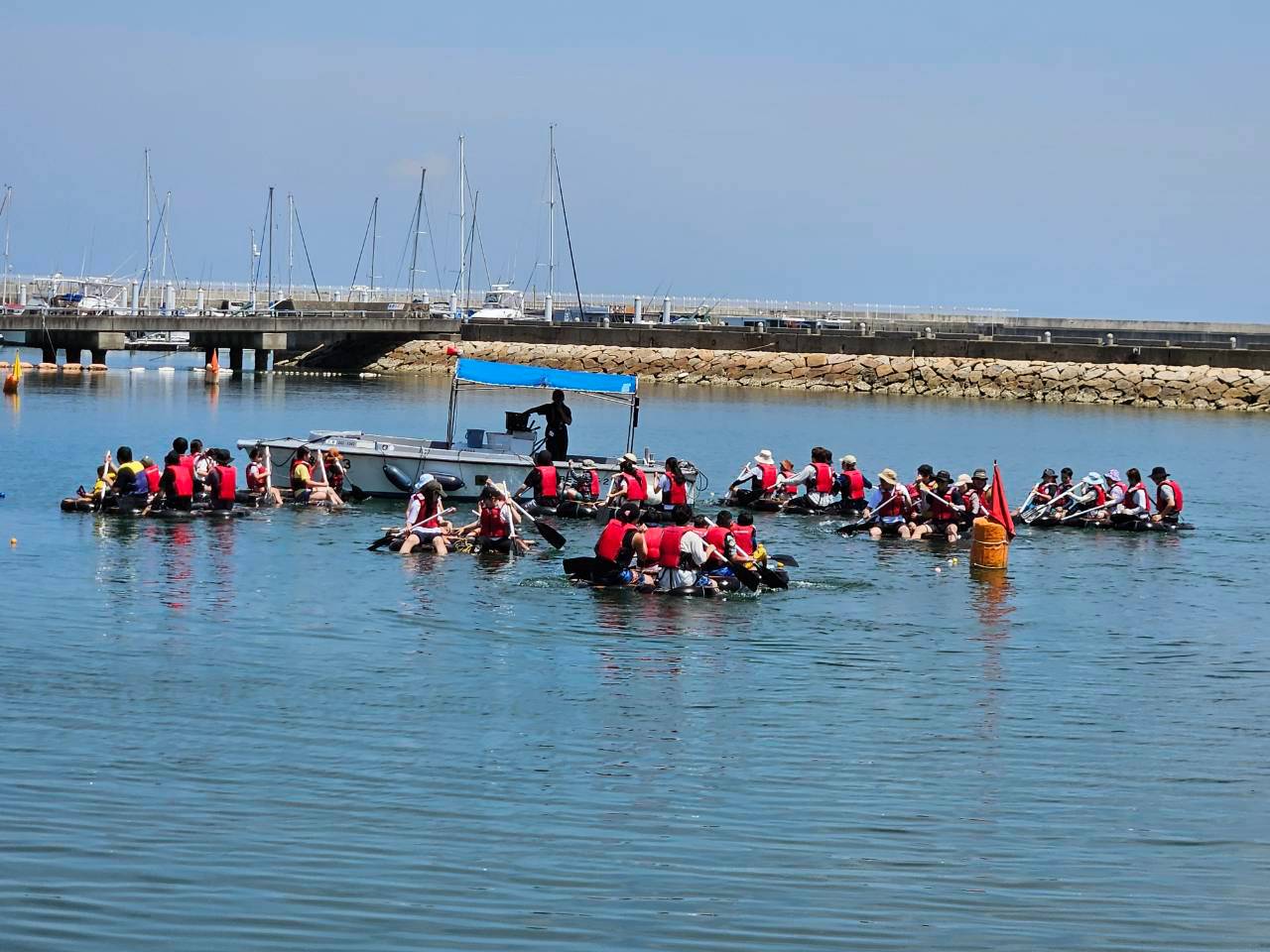
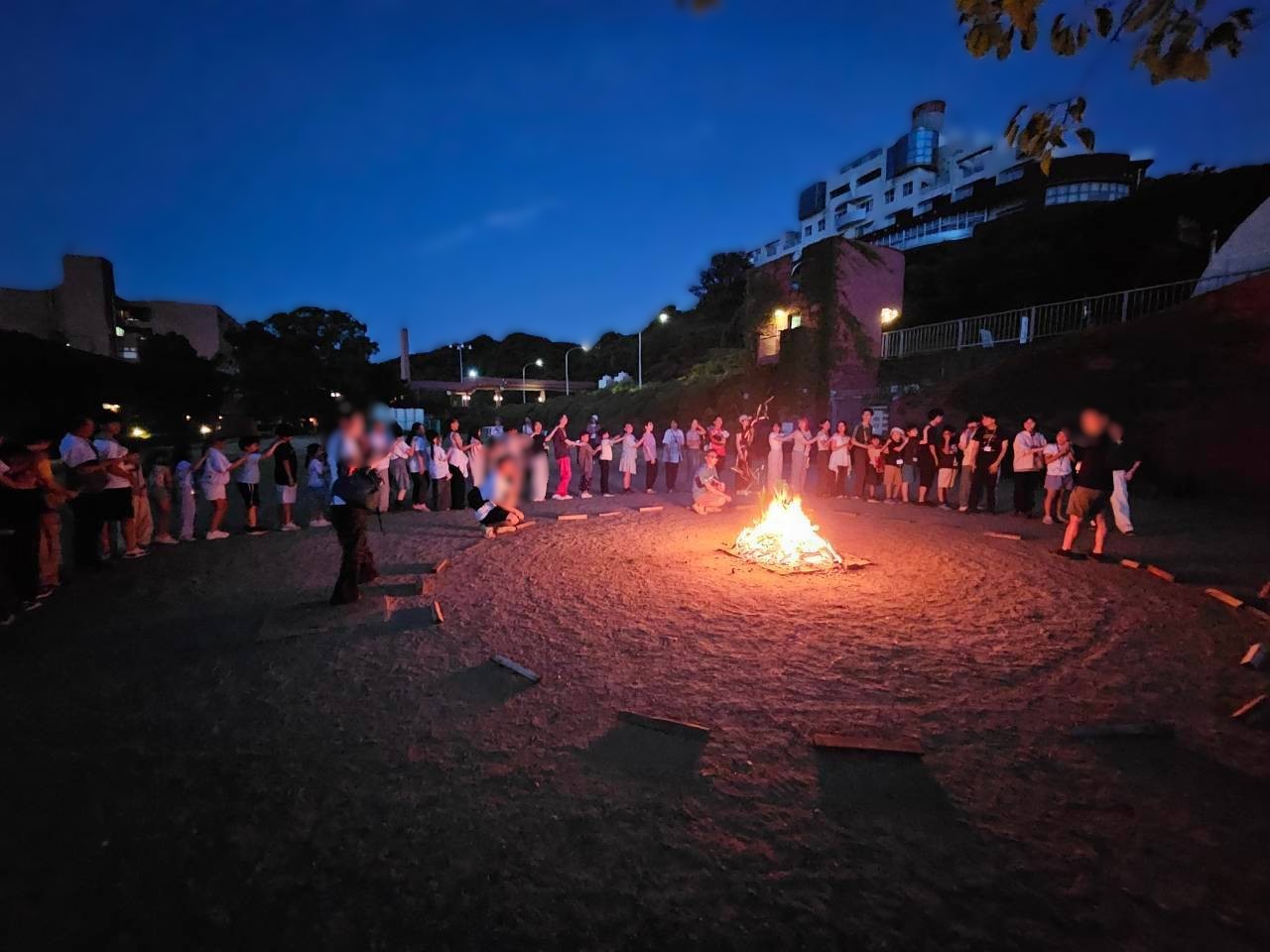
We also participated in various activities together, such as game tournaments, water gun competitions, rides on cutter boats and rafts, skits designed to teach skills for living in society while having type 1 diabetes, and campfires.
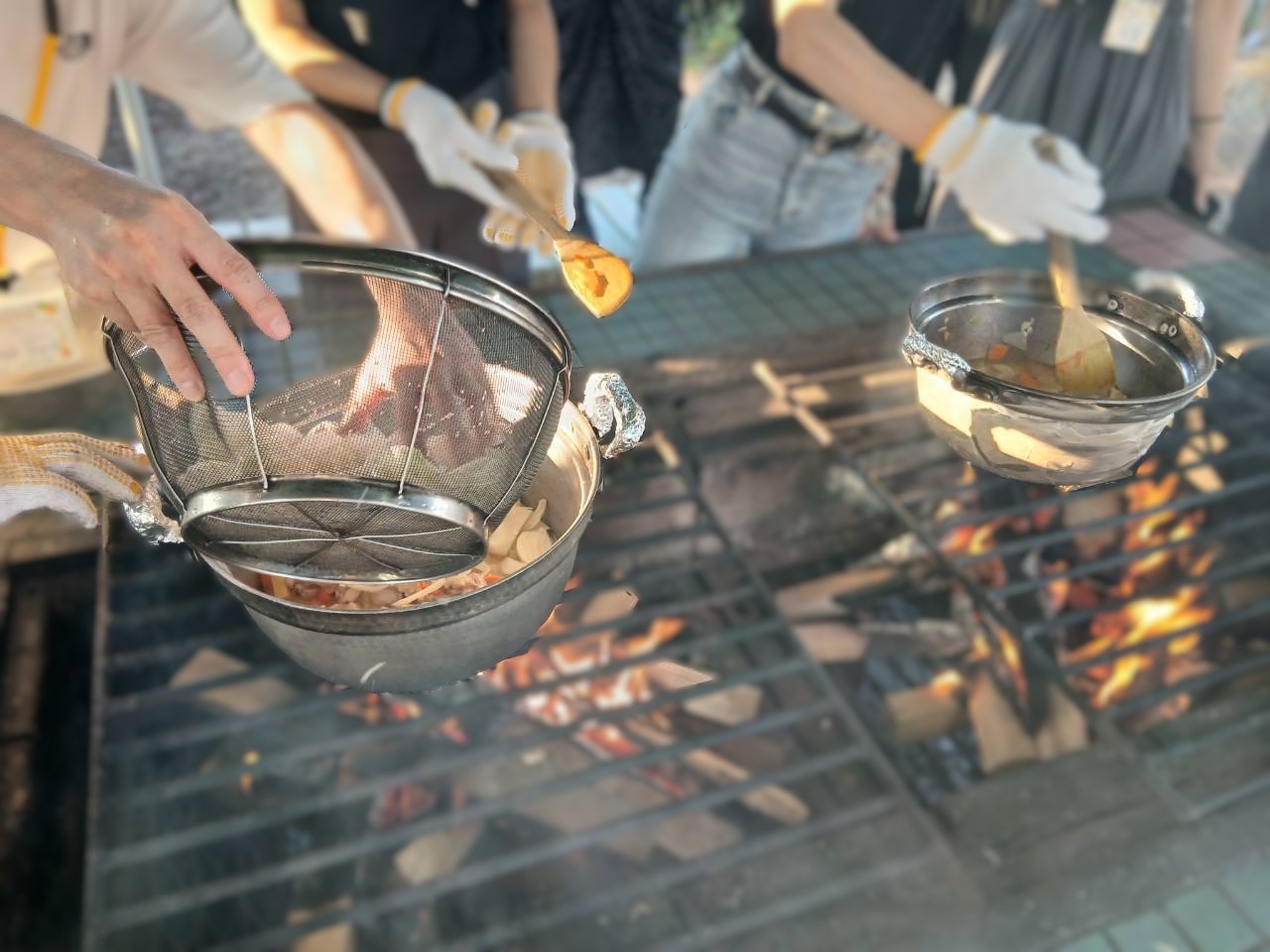
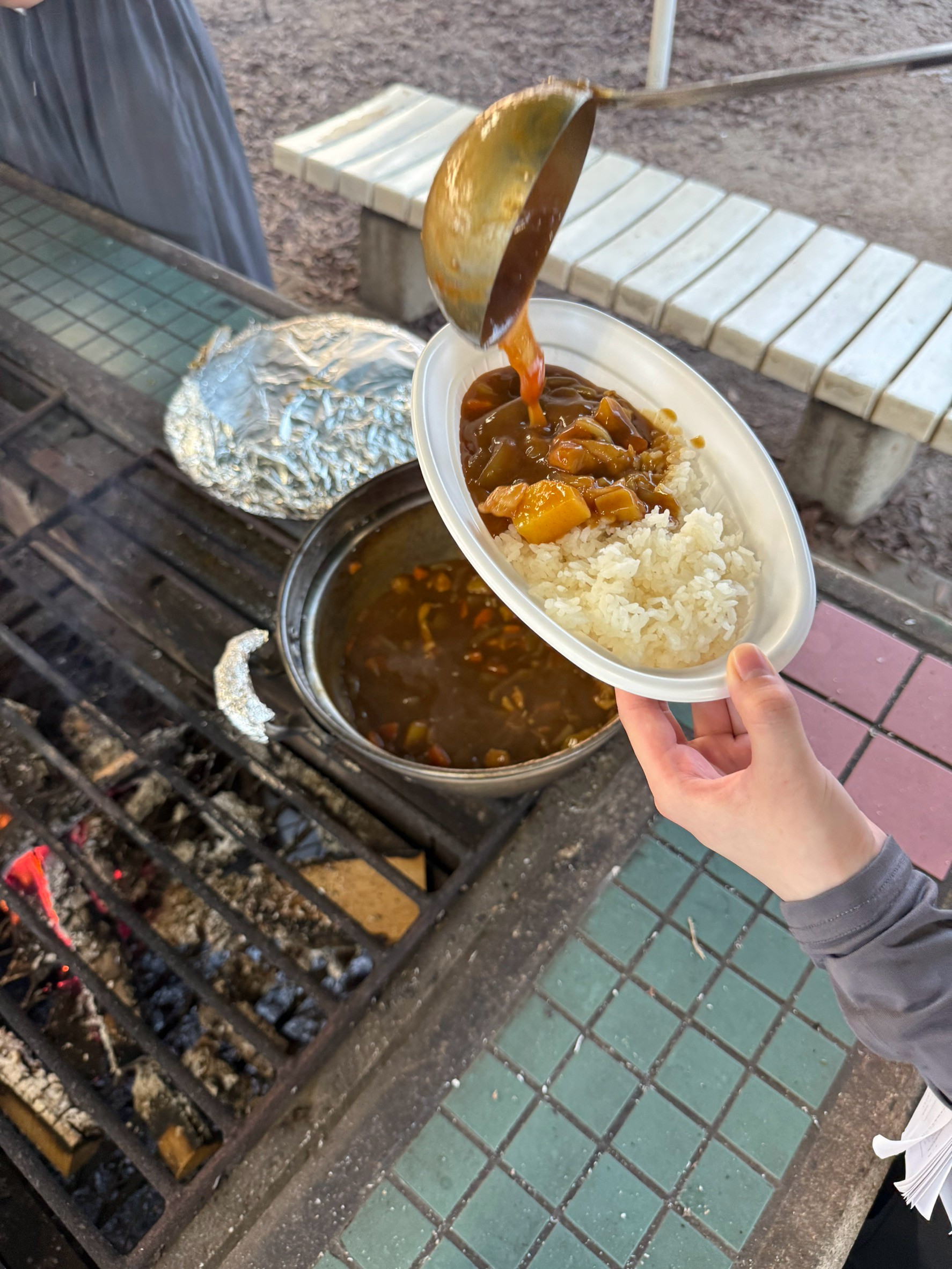
At the BBQ buffet held in the outdoor cooking area, students created and distributed menu cards classifying dishes based on the three food groups, as part of a food education program, and explained how to use them.
Nine registered dietitians (four of whom are graduates of this university) working in hospitals and elderly care facilities were responsible for preparing and managing meals in cafeterias and outdoor cooking areas, preparing supplements for hypoglycemia, and taking measures against dehydration and heatstroke. They also checked the carbohydrate content of the dishes and foods provided for the carbohydrate counting method used to determine the amount of insulin to be administered during meals.
Children living with type 1 diabetes sometimes face dietary restrictions due to the complexities of insulin administration. This camp was designed to allow them to choose their favorite desserts and enjoy themselves.
On the final day, we presented awards to participants who had maintained a balanced diet throughout the four days.
——————————–
Educational camps for type 1 diabetes are held throughout Japan, mainly during the summer holidays, with university students in medical-related fields and high school students participating as volunteer staff.
About Pediatric Diabetes Summer Camphttps://jspad.jp/ofs/patient/life/13.html
A manga titled "Genki no Mori Nikki" (Diary of the Forest of Wellness), which depicts the significance of educational camps through the growth of patients, is available online, and this camp is the model for that manga.
Web comic "Genki no Mori Nikki" https://www.medtronic-dm.jp/study/library/comic/01/
(Source: Faculty of Health and Nutrition)