

News & Press Releases
[NST Club Activities] Learning about "Rehabilitation and Nutrition" from a Physical Therapist
2026.10.07
- notice
- Student Life
- Faculty of Health and Nutrition
- Faculty of Global Nursing
— Considering patient recovery from both exercise and nutritional perspectives —
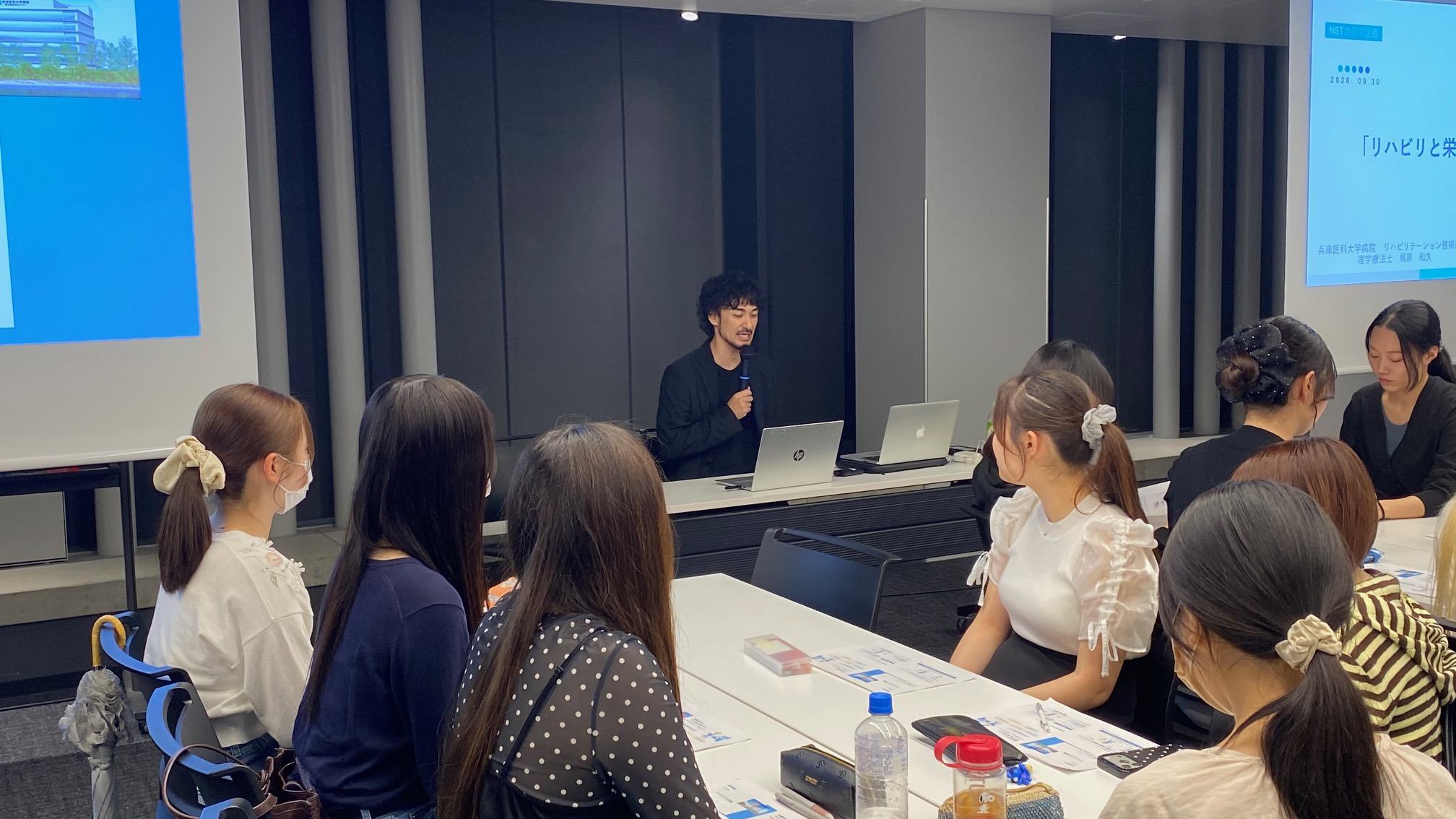
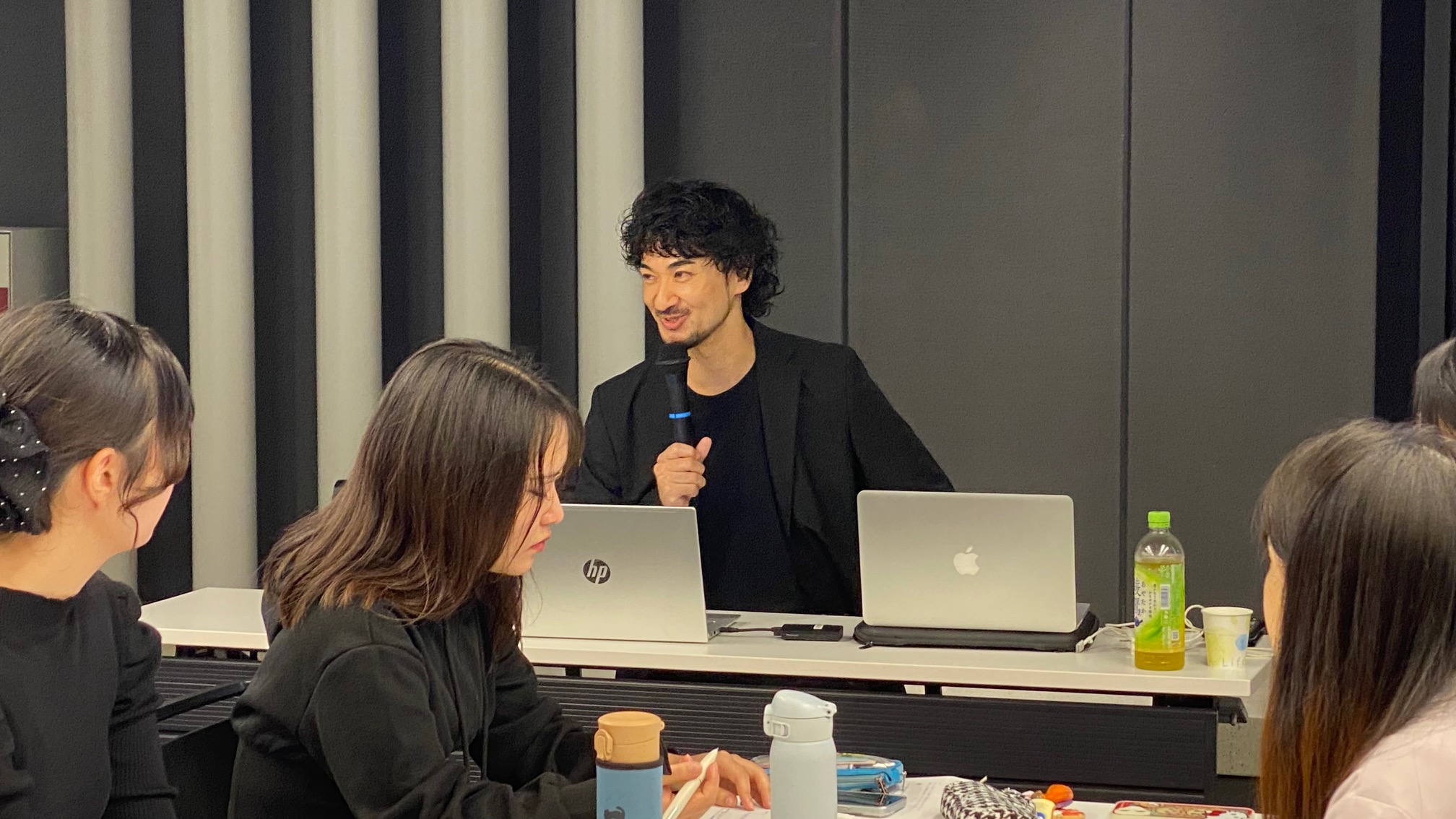
On September 30th, the NST Club welcomed Kazuhisa Kajiwara, a physical therapist from the Department of Rehabilitation Technology at Hyogo College of Medicine Hospital, as Lecturer for a lecture and case study on the theme of "Rehabilitation and Nutrition." This event marked the first time the NST Club had invited a physical therapist as Lecturer.
In addition to working as a physical therapist at Hyogo College of Medicine Hospital, Ms. Kajiwara is also a member of the development team for "Osteofrail Pilates," a method specifically designed for preventing osteoporosis and frailty, which was jointly developed by various medical professionals including orthopedic surgeons, physical therapists, registered dietitians, and dental hygienists.
— View exercise, nutrition, and rest as an integrated whole —
In the first half of the lecture, we began by learning about the basic mechanisms of how muscles are built and how they are lost. Mr. Kajiwara explained in an easy-to-understand way for the students that in order to maintain and increase muscle mass, it is important not only to stimulate exercise, but also to properly consume nutrients that serve as building blocks for muscles, and to get enough rest (sleep). He emphasized the importance of viewing "exercise-nutrition-rest" as an integrated whole.
Furthermore, the session introduced the issue of "muscle loss due to inactivity," something we don't often think about in our daily lives. In particular, for hospitalized patients, muscle mass can decrease due to a combination of factors, including not only the disease itself but also rest, reduced activity levels, surgery, and inflammation. We learned the importance of considering "what to eat" and "how to move" together to protect muscles.
— Aiming beyond simply "improving nutritional status" —
The lecture also introduced the concept of "rehabilitation nutrition." This approach aims not only to restore patients' physical functions but also to improve their nutritional status while proceeding with rehabilitation, ultimately striving to enable patients to live their lives to the fullest. We learned how to determine the amount of energy needed, including how to estimate energy expenditure based on basal metabolic rate and activity level.
For the students of the NST club, who usually view patients primarily from a nutritional perspective, the idea of considering nutritional management not just as an end in itself, but also in terms of "eating," "moving," and "living," was a valuable learning experience.
— <Case Study> What can an NST (Nutritional Support Team) do? —
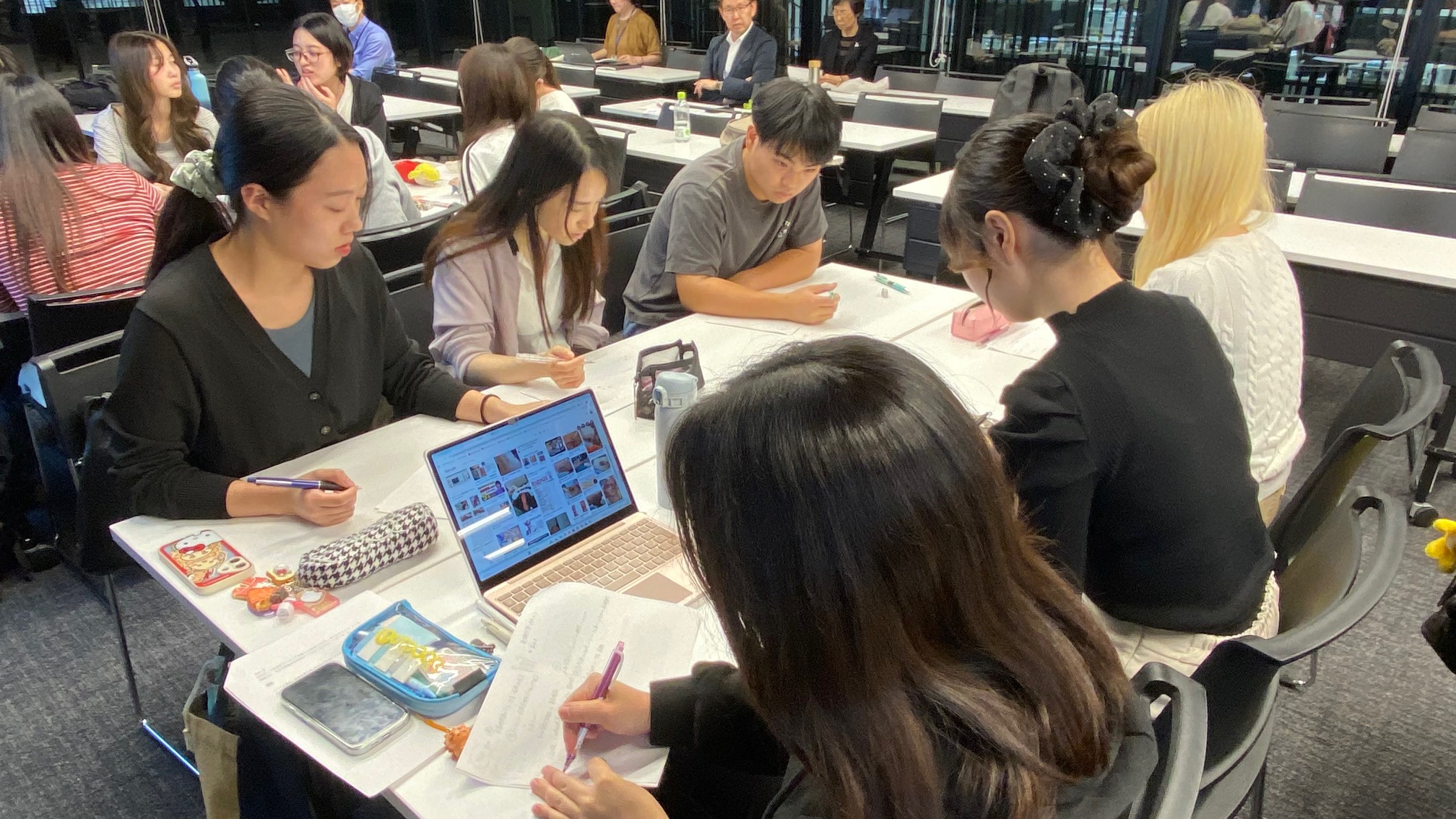
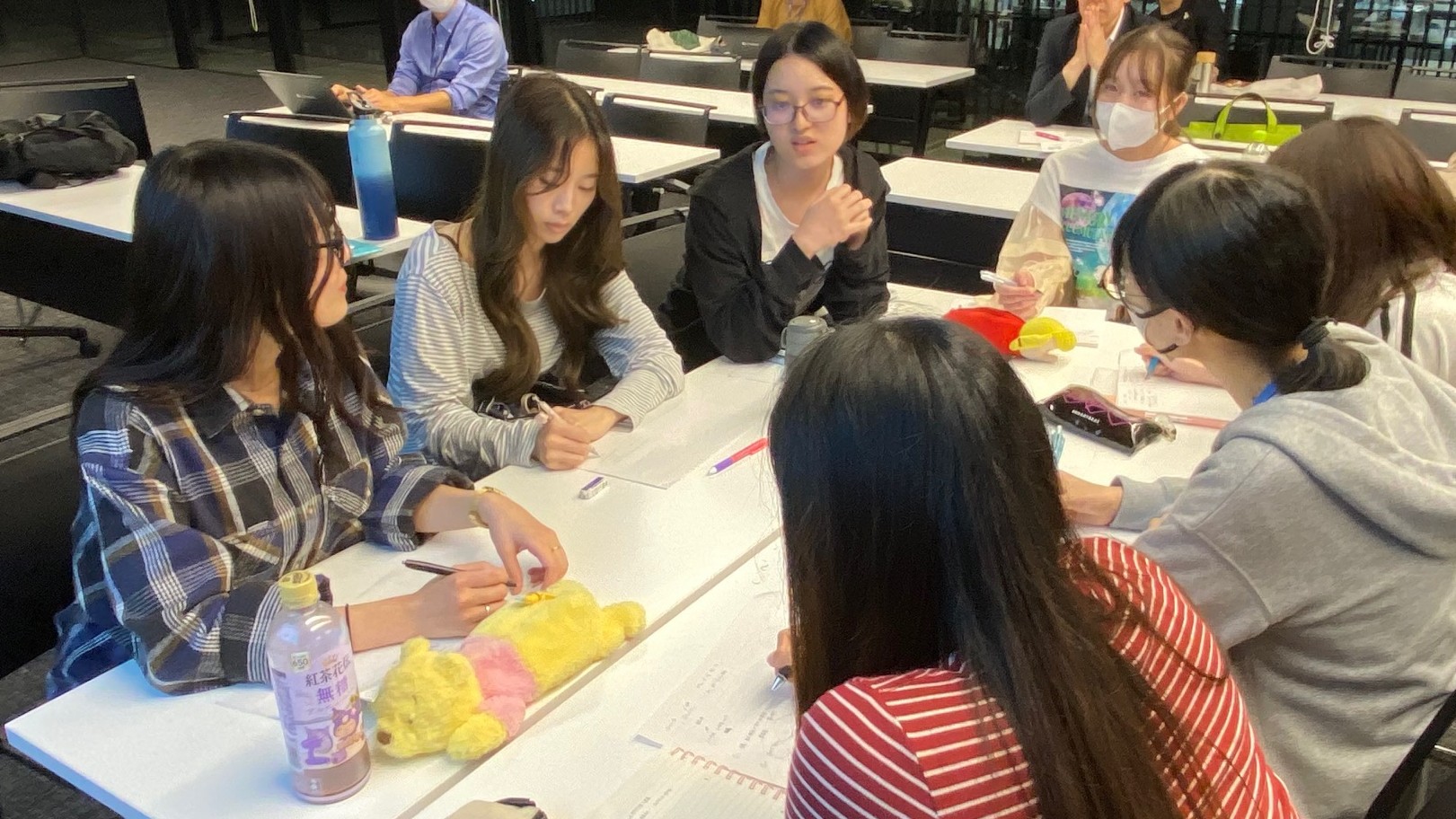
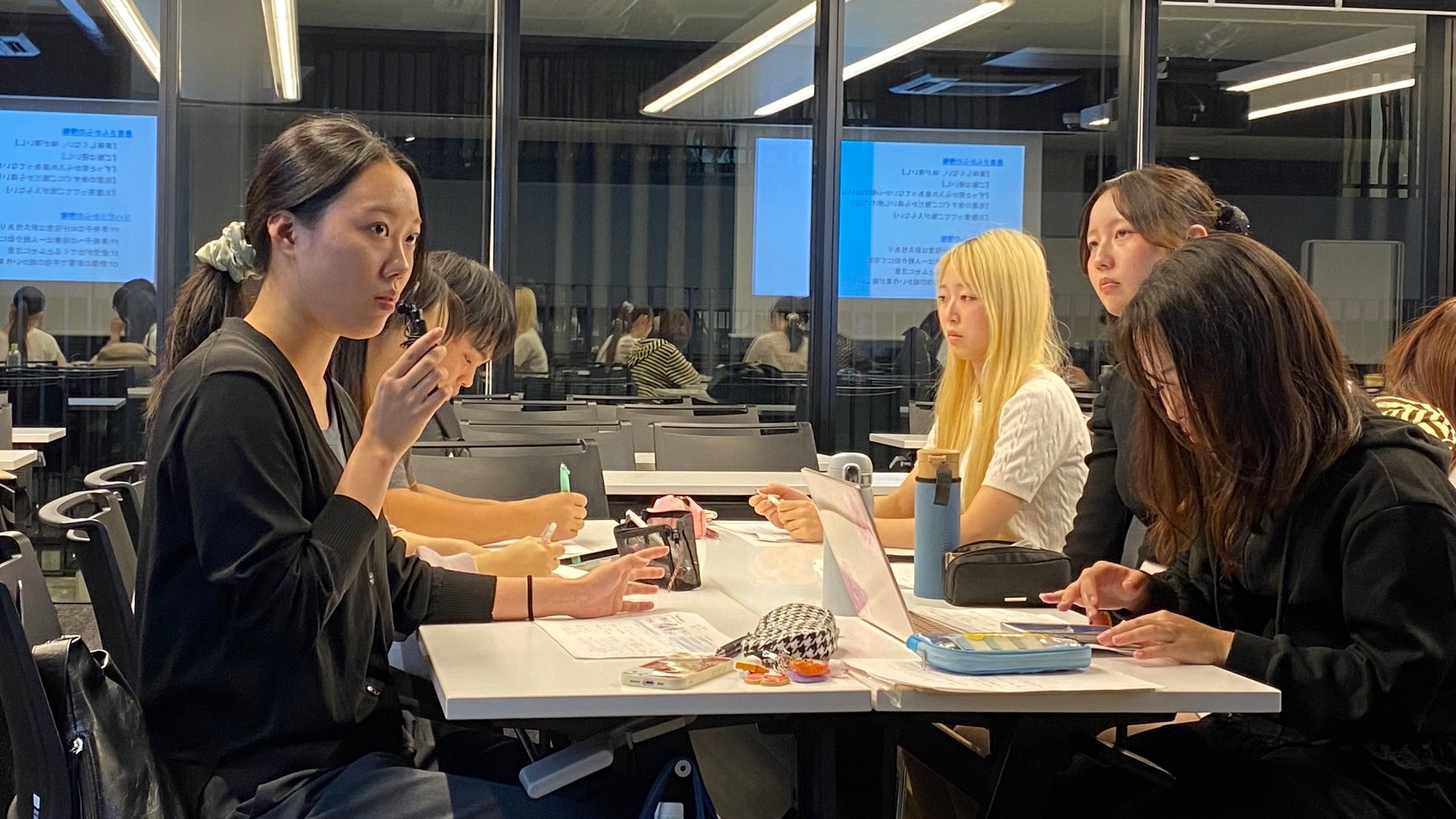
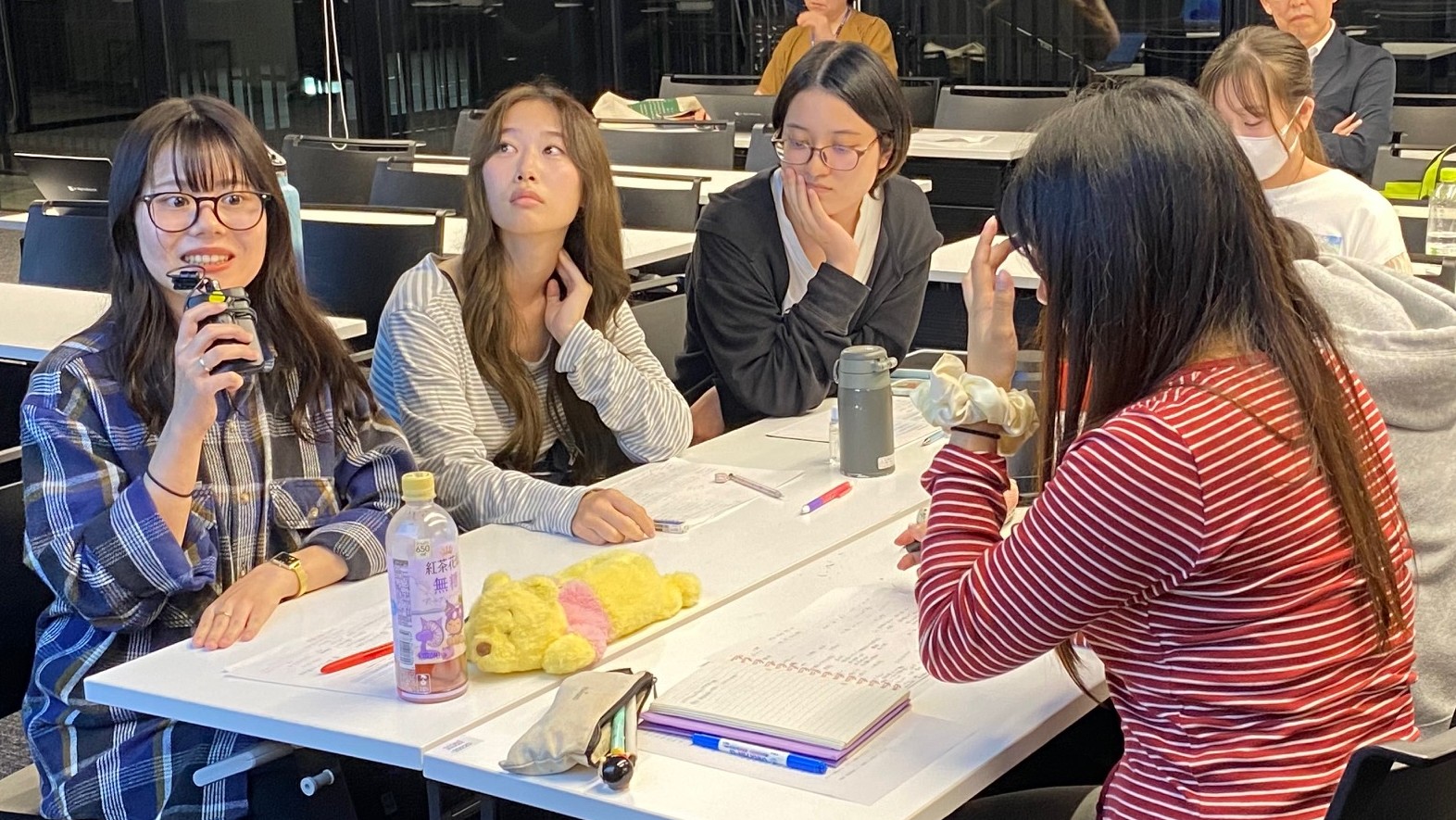
In the second half, we discussed a case involving a patient with severe burns. The students, working in groups, considered how they could be involved as members of the Nutrition Support Team (NST) and what points should be considered when providing nutritional management, from the perspectives of nursing, nutrition, and dentistry.
Faced with the unique condition of burns, it's not simply a matter of "supplementing necessary nutrients," but rather about considering appropriate interventions by taking a multifaceted view of the patient's condition. We also received advice unique to physical therapists, such as positioning patients during meals and encouraging them to try what they can do themselves while providing assistance for difficult tasks. It was a practical learning experience that truly emphasized multidisciplinary collaboration, taking into account the status of rehabilitation and physical activity.
Finally, Ms. Kajiwara gave us a warm message: "It is important to think about 'nutrition and rehabilitation' together. Your important role is to connect 'being able to eat' to 'being able to move,' and then to 'being able to move' to 'living' beyond that. 'Nutrition and rehabilitation' are essential perspectives for supporting patients' lives beyond this point. Please continue to deepen your learning about nutrition and exercise at the NST Club."
For the NST Club, this event was their first opportunity to learn directly from a physical therapist. Mei Watanabe, a third-year student in Faculty of Global Nursing who participated, reflected on what she learned, saying, "In my previous practical training, I recommended walking and bedside rehabilitation to prevent postoperative complications and muscle weakness. Through this lecture, I learned that maintaining muscle mass requires not only exercise, but also a well-balanced diet tailored to each individual and sufficient sleep. In the case study, I realized that different specialties focus on different aspects and have different opinions, and I learned the importance of incorporating diverse perspectives. I would like to continue learning from other professionals and think about how to provide better support for patients."
The NST Club will continue to provide opportunities to learn from professionals in various fields and to develop the interprofessional collaboration skills necessary in clinical settings.
(Source: Student Affairs Division Osaka Castle Campus)