News & Press Releases
[Faculty of Global Nursing] Conducts integrated Global Nursing practice at Chiang Mai University Hospital, Thailand.
2026.10.20
- notice
- Study Abroad and International Exchange
- Faculty of Global Nursing
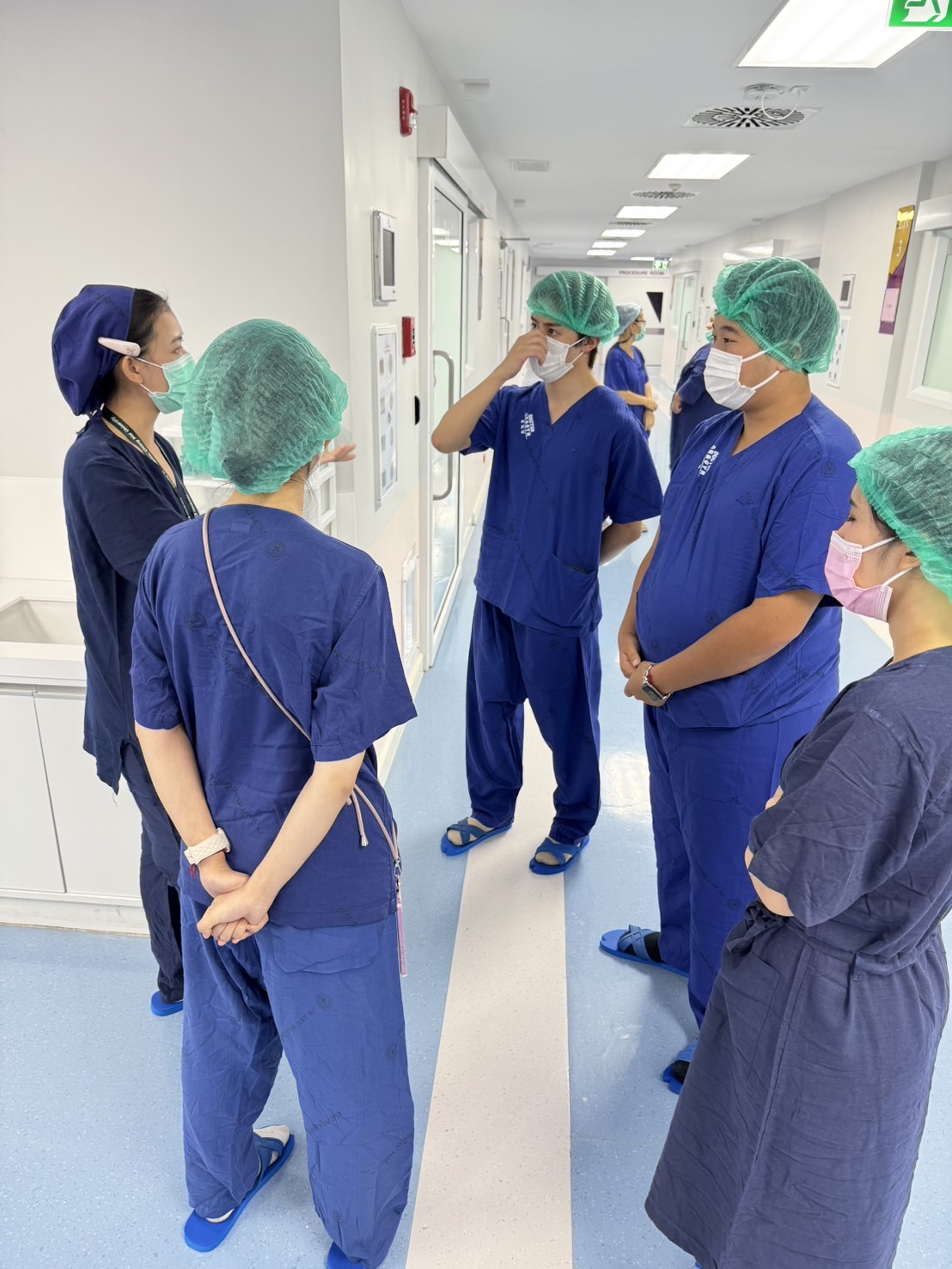
From September 28th to October 8th, 14 fourth-year students from Faculty of Global Nursing participated in an integrated Global Nursing training program in the field of international Global Nursing at Maharaj Nakorn Chiang Mai Hospital in Thailand.
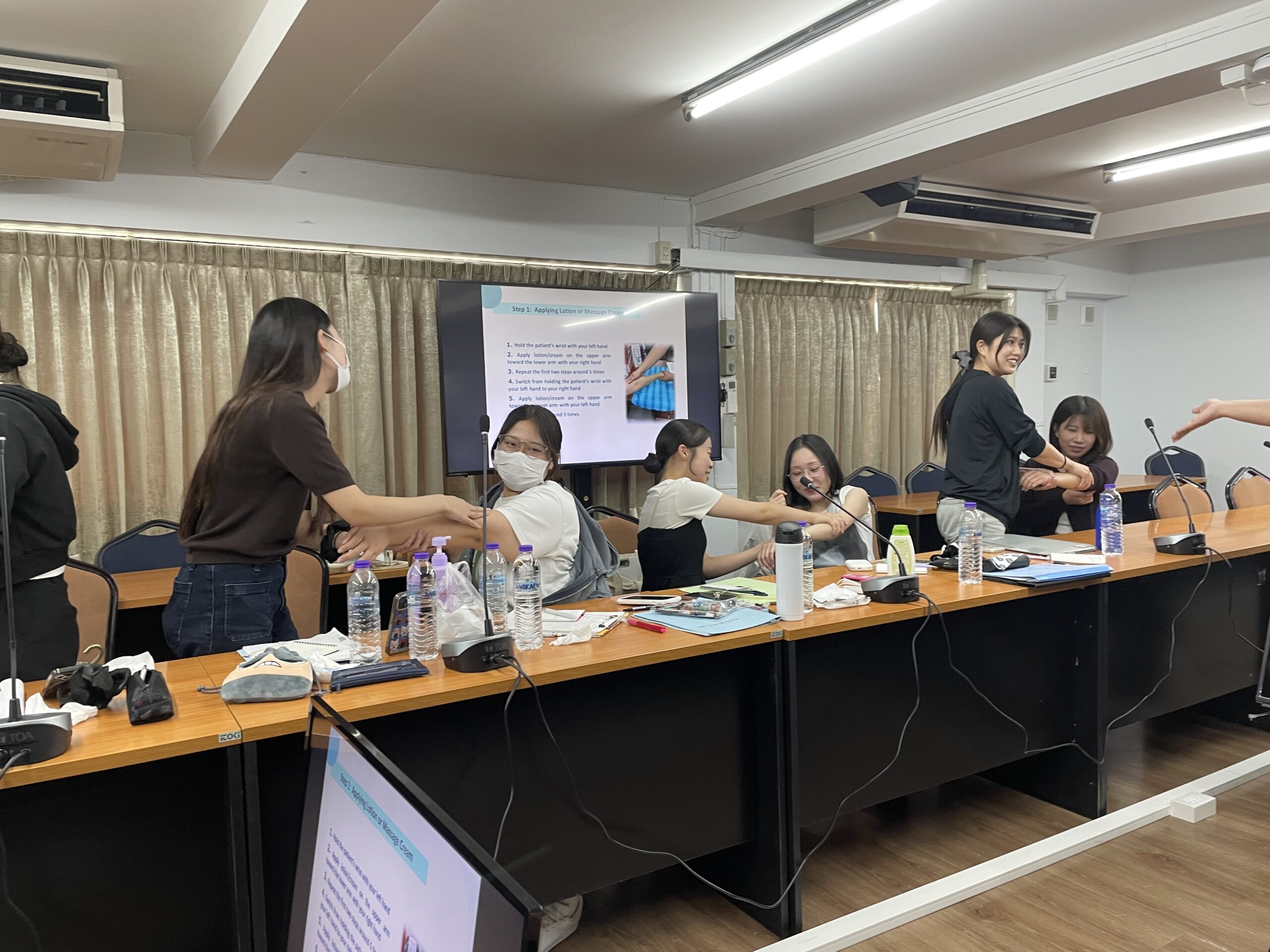
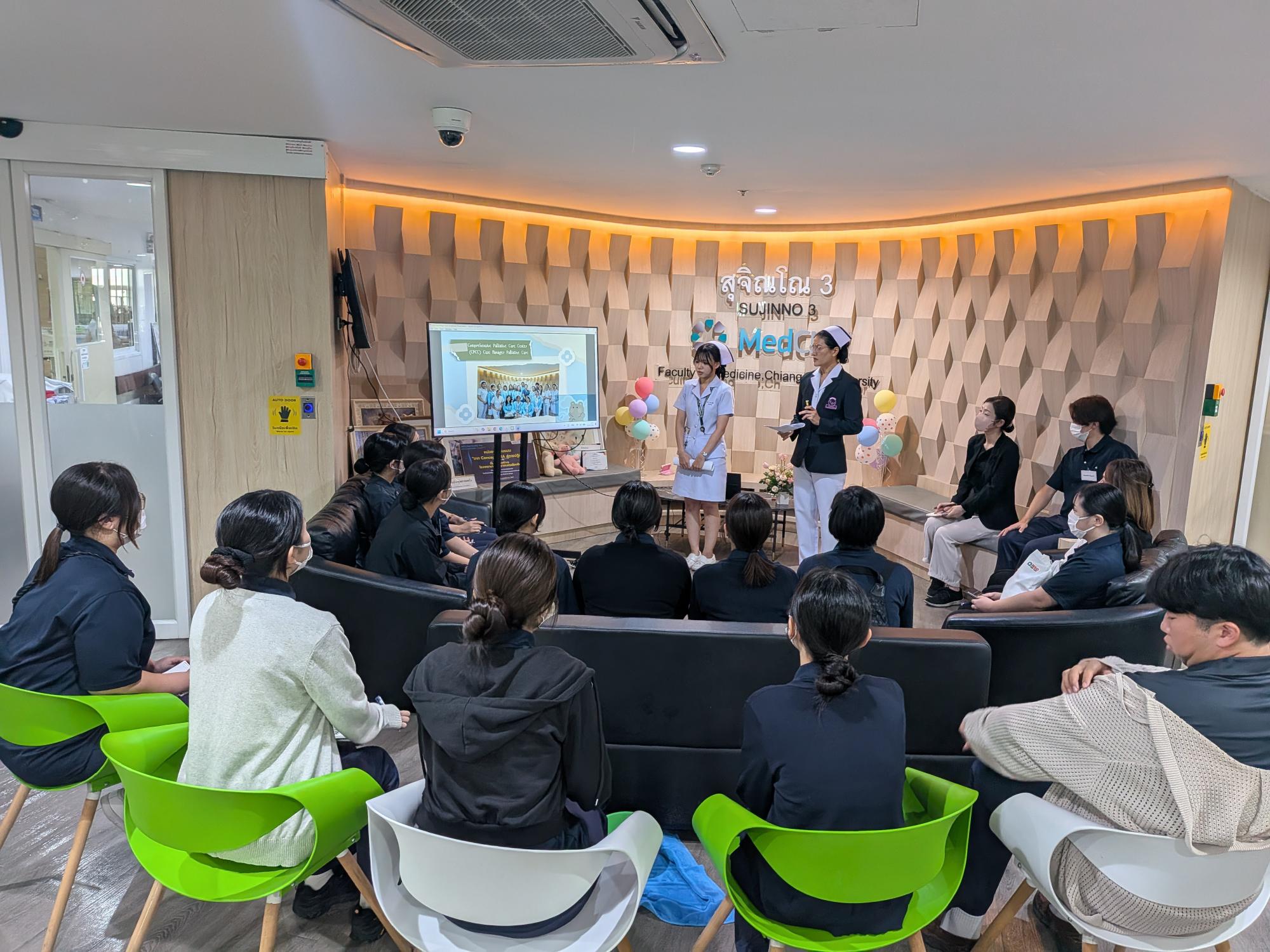
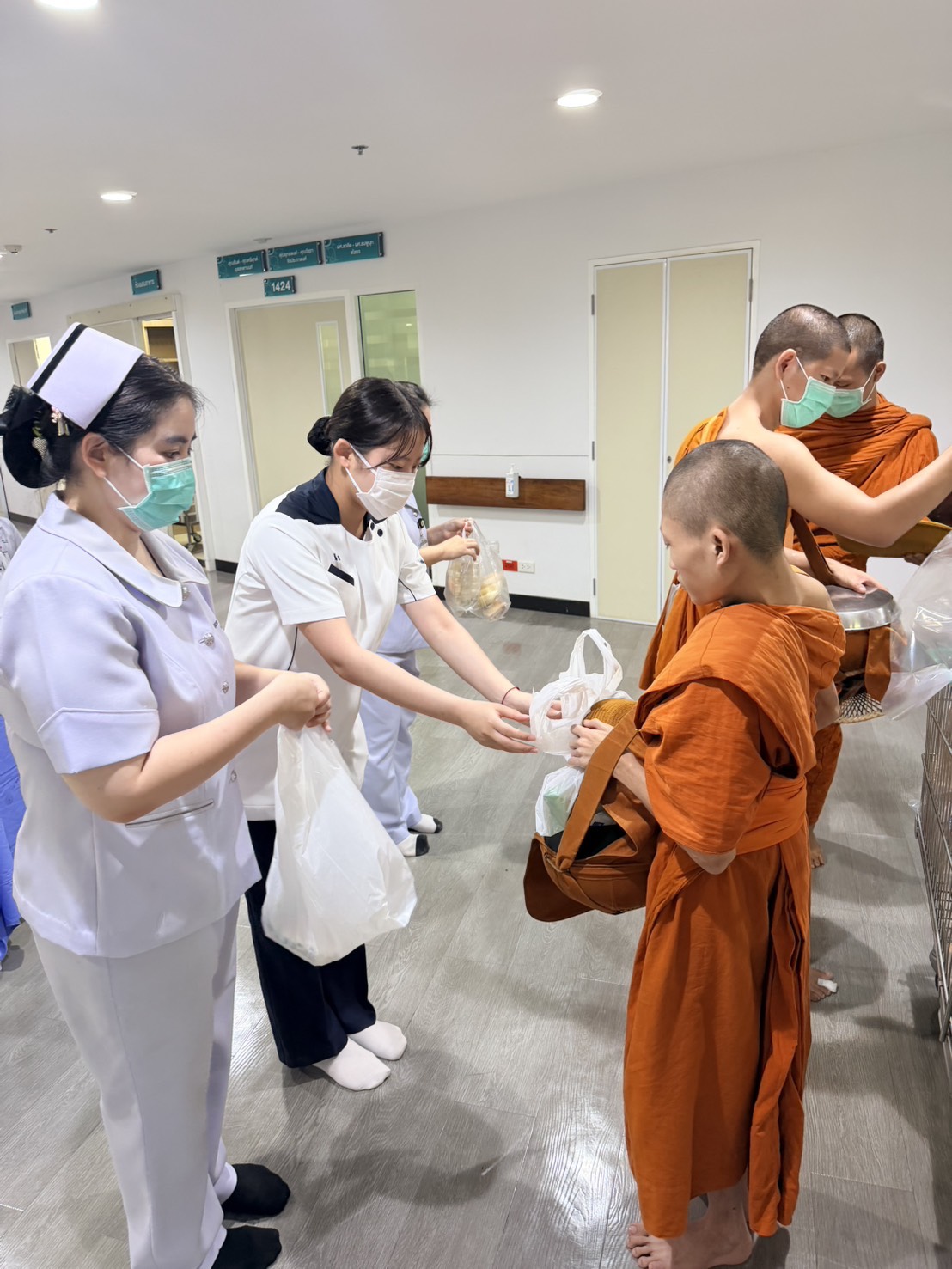
During the first week, in order to deepen our understanding of Thai healthcare, nursing, people's lifestyles, and values, we received a hospital introduction from the nursing department, followed by a tour of the hospital facilities. Each student also introduced themselves and presented in English what they hoped to learn during this internship. Afterwards, we visited the emergency department, which sees approximately 7,000 outpatients a day, and the telemedicine system. Furthermore, we learned about Thai culture and patient care, and attended lectures on palliative care, nursing ethics, and spiritual care. In the monks' ward, we listened to a presentation from the nursing manager about spiritual care being promoted in Thailand and also participated in hand massage exercises.
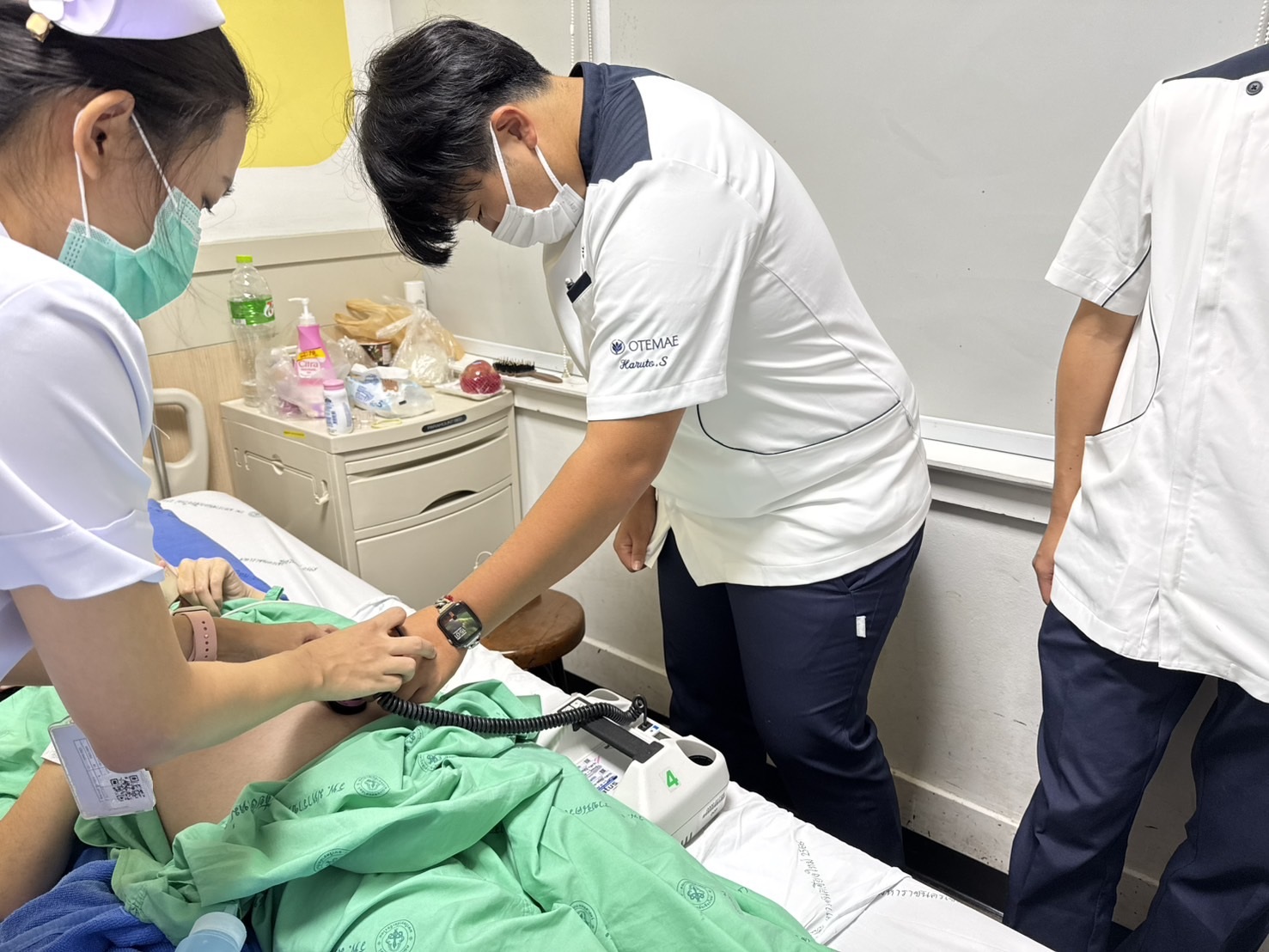
In the second week, the students were divided into groups and conducted their practical training in their chosen wards. They received patient referrals, participated in ward handovers and conferences, collected patient information, and carried out the entire process from developing and implementing nursing care plans to evaluating them.
In this practical training, a nurse from Chiang Mai University Hospital, who had previously participated in our university's exchange program in 2024, served as a preceptor to guide the students. This collaboration, which stemmed from previous exchanges, provided a valuable opportunity to experience the fruits of continuous international exchange.
Before participating in the internship, the students received guidance on crisis management and cross-cultural understanding, among other things, and made thorough preparations for their trip, allowing them to successfully complete the two-week internship.
Here are some comments from participants in the internship program.
This experience of actually caring for patients overseas allowed me to deepen my understanding of not only diseases and physical conditions, but also spiritual care that takes into account culture, beliefs, values, and life backgrounds. I was also able to learn about individualized nursing from a different perspective than in Japan. Furthermore, being able to study medicine and nursing in English, which is not my first language, was an invaluable experience for me, as I am interested in working overseas in the future.
(Yoshinoya, 4th grade student)
I learned two main things from this integrated Global Nursing practice. First, the connection between culture and medicine. I witnessed firsthand the religious practices, such as prayer, involvement with monks, and strong family ties, which are not commonly seen in Japan. I felt that in Thailand, not only is treatment important, but emotional support is particularly strong.
The second point is the interaction with the ward nurses. They welcomed me very warmly and taught me important things about communicating in English and interacting with Thai patients.
I was also impressed by the close relationships among the nurses and their closeness with the patients. I learned a lot from how they build trusting relationships with others to provide safe and secure nursing care. I want to apply what I learned this time to my own nursing philosophy in the future.
(Shimase, 4th grade student)
During my obstetrics internship, I observed various delivery methods and NST monitoring, learning about the differences between obstetric care in Japan and Thailand. In particular, being able to observe four deliveries, something I couldn't experience in Japan, was a valuable experience. I also realized that even though basic nursing methods are the same, differences in culture, values, and lifestyles have a significant impact on pregnancy, childbirth, and childcare. In the future, I want to understand the culture, customs, and values of foreign pregnant women and new mothers and provide support tailored to each individual. I also learned that it is important to understand the perspectives of other countries, and then clearly explain the Japanese medical system and customs to deepen mutual understanding.
(R23041 Takahama-san)
(Source: Faculty of Global Nursing)